

When facing a medical decision, finding a trusted provider can feel overwhelming, which is why understanding the value of accredited healthcare facilities is so crucial for patients across the United States. Navigating the modern healthcare landscape requires more than just looking at a clinic’s proximity or scheduling availability; it demands a closer look at the underlying standards governing patient safety and operational excellence. Whether you are planning an elective procedure or seeking specialized long-term care, choosing a facility that has undergone rigorous third-party evaluation ensures that your health is in capable hands.
In this guide, you will learn how independent evaluations set vital medical excellence benchmarks, what major organizations like The Joint Commission actually look for, and how to verify a facility’s credentials before booking an appointment. By understanding these standards, you can take a proactive approach to your wellness journey and make informed choices that directly impact your safety and peace of mind.
1. Understanding the Importance and Standards of Accredited Healthcare Facilities
When navigating the modern U.S. healthcare landscape, knowing where to receive care can profoundly impact your health outcomes. Navigating your options starts with recognizing that not all medical centers operate under the same quality controls. Understanding how facilities are evaluated gives you the power to make informed decisions for you and your family.
1.1 The Definition and Value of Healthcare Accreditation
Healthcare accreditation serves as a trusted compass for patients seeking high standards of medical delivery. While state laws set a baseline for operating legally, voluntary third-party evaluations push facilities to adopt rigorous medical excellence benchmarks that protect patient safety.
Distinguishing between mandatory state licensing and voluntary accreditation
State licensing is a legal prerequisite for any medical facility, focusing primarily on basic building safety, fire codes, and minimum staffing ratios. In contrast, voluntary accreditation is an independent, rigorous peer-review process. Facilities choose to undergo this evaluation to prove they meet or exceed national standards of care.
How third-party evaluations elevate clinical benchmarks
Independent accrediting bodies send teams of expert clinicians and administrators to conduct unannounced on-site surveys. These evaluators scrutinize everything from surgical protocols to board certifications, ensuring that staff members continuously refine their practices based on the latest medical research.
The correlation between accreditation status and improved patient outcomes
Research consistently shows that facilities holding formal gold-standard certifications experience lower rates of hospital-acquired infections and surgical complications. When evaluating where to receive treatment, reviewing clinical treatment outcomes provides a clear picture of how well a facility translates safety guidelines into successful patient recovery.
1.2 Major U.S. Accreditation Organizations and Their Frameworks
Several prominent organizations dominate the U.S. accreditation landscape, each offering a distinct framework for evaluating hospitals, outpatient centers, and clinics with specialized accreditation needs.
The Joint Commission and their Gold Seal of Approval
As the nation’s oldest and largest standards-setting body in health care, The Joint Commission evaluates thousands of organizations. Earning their famous Gold Seal of Approval signifies a profound commitment to continuous performance improvement and rigorous safety standards.
The role of DNV Healthcare and CMS-approved deeming authorities
DNV Healthcare takes a unique approach by integrating ISO quality management standards with federal hospital Conditions of Participation. As a Centers for Medicare and Medicaid Services approved deeming authority, their evaluations satisfy federal regulatory requirements while driving operational excellence.
Specialization through the Accreditation Commission for Health Care
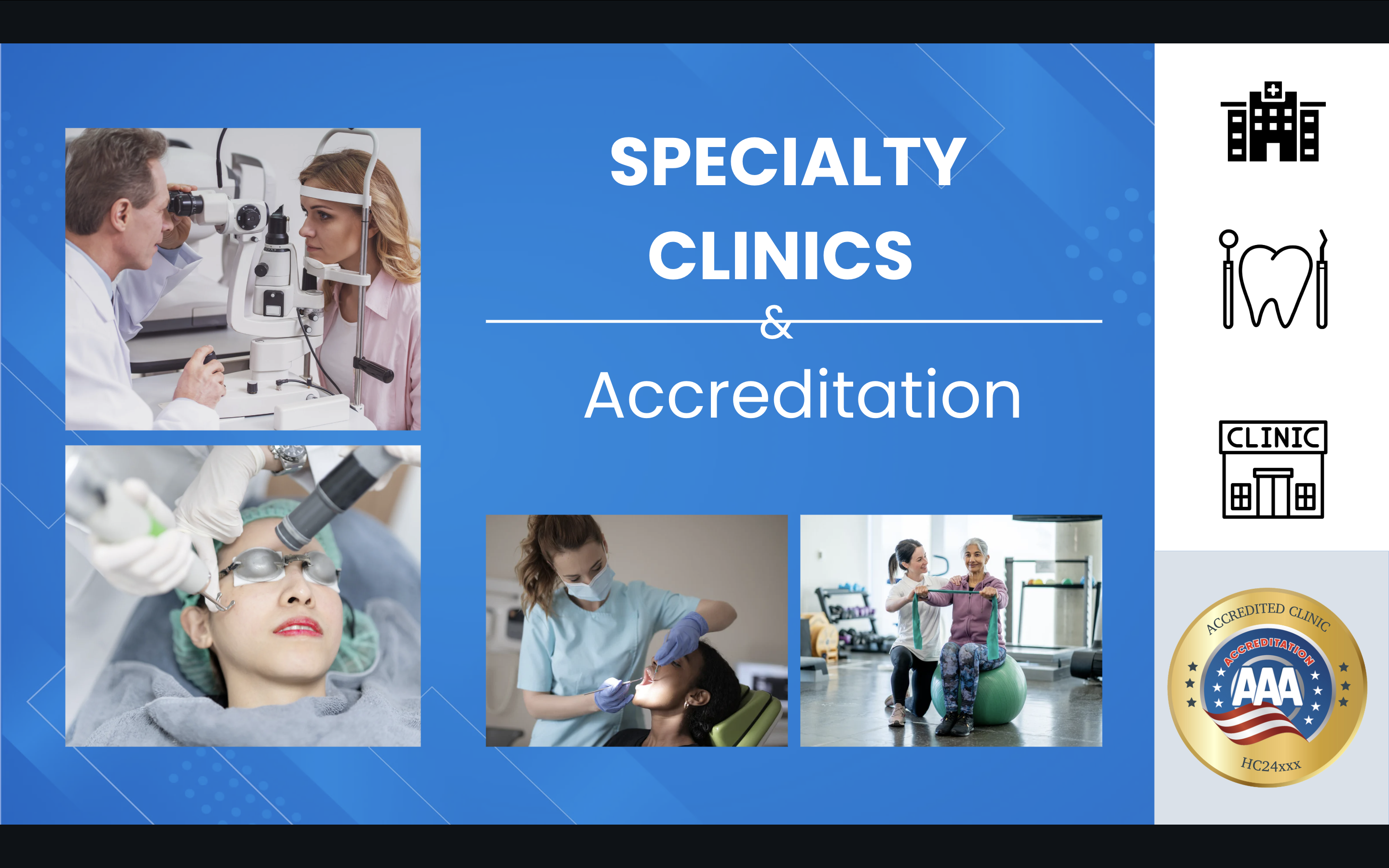
Organizations like the Accreditation Commission for Health Care focus heavily on specialized sectors, including home health, hospice, and ambulatory surgical centers. Their customized survey processes ensure niche providers meet exact standards tailored to their specific patient populations.
1.3 Essential Safety Protocols Mandated by Accrediting Bodies
Accreditation is far more than a certificate on a wall; it dictates daily operational habits that safeguard patients during vulnerable moments.
Stringent infection control and environmental safety standards
Accrediting bodies enforce strict sterilization protocols, air-handling requirements, and hand-hygiene monitoring. These measures drastically reduce pathogen transmission, protecting both immunocompromised patients and frontline medical staff.
Medication management, reconciliation, and error prevention
Preventing adverse drug events is a core focus of modern hospital evaluations. Facilities must implement rigorous dual-verification processes for high-alert medications and meticulous reconciliation steps during every patient transfer or discharge.
Evidence-based clinical processes and emergency preparedness
To maintain their accredited status, facilities must regularly test their medical technology integration status and conduct simulated emergency drills. This ensures that response teams can seamlessly handle mass casualties, power outages, or sudden internal crises without compromising patient care.
2. Strategic Steps for Selecting and Verifying Accredited Healthcare Facilities
2.1 A Patient-Centered Guide to Vetting Facilities
2.1.1 Identifying the appropriate facility type for your specific medical needs
Navigating the healthcare landscape begins with matching your distinct medical requirements to the correct level of care. Whether you need routine preventive checks, ongoing management for chronic conditions, or an advanced surgical intervention, recognizing whether you require a general community hospital, an outpatient surgery center, or specialized diagnostic centers is critical. Each facility type is governed by unique operational scopes and evaluated against distinct quality metrics.
2.1.2 Step-by-step instructions for using online accreditation databases
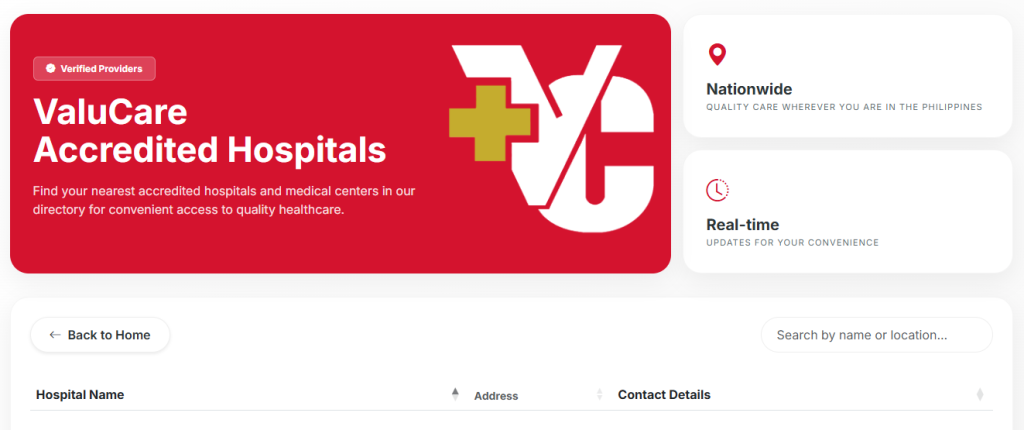
Verifying a facility’s official standing is straightforward once you know where to look. Independent accrediting organizations maintain public online directories where patients can search by facility name, city, or zip code. By checking these databases, you can instantly confirm whether a location maintains active credentials, view the date of their last full survey, and verify that they meet rigorous medical excellence benchmarks established by national healthcare authorities.
2.1.3 How to interpret quality reports from CMS Care Compare
The Centers for Medicare and Medicaid Services provides robust public reporting tools that translate complex hospital data into user-friendly star ratings. When reviewing these dashboards, look beyond the overall score to examine specific metrics regarding readmission rates, patient survey feedback, and complication tracking. These data points provide a transparent window into daily operational safety.
2.2 Navigating Costs and Accessibility in Accredited Environments
2.2.1 Connecting accreditation status with insurance network participation
Many major health insurance providers heavily favor or explicitly require network facilities to maintain recognized third-party accreditations. Selecting an approved site often simplifies prior authorization processes and ensures smoother claim processing, as insurers recognize these institutions for adhering to standardized operational protocols.
2.2.2 Understanding how high-quality facilities impact long-term out-of-pocket costs
While accredited centers sometimes feature higher baseline facility fees, their adherence to stringent safety protocols significantly lowers the likelihood of preventable medical errors, hospital-acquired infections, and costly readmissions. Investing in superior care from the outset often safeguards patients against unexpected financial burdens stemming from post-operative complications.
2.3 Managing Care Decisions During Urgent and Elective Situations
2.3.1 Why accreditation is critical for high-risk surgical and elective procedures
For planned operations, taking the time to verify that an operating room or surgical center holds specialized certifications ensures that emergency backup systems, sterile processing units, and anesthesia protocols meet the highest standards. These safeguards are indispensable for optimizing clinical treatment outcomes during complex procedures.
2.3.2 Prioritizing facility standards during emergency triage and urgent care selection
During a medical emergency, conscious decision-making is challenging, but knowing your local emergency departments and urgent care centers are fully accredited provides essential peace of mind. Accredited emergency rooms maintain strict staffing ratios and rapid-response protocols designed to stabilize critical conditions efficiently.
2.4 Addressing Common Patient Concerns and Accreditation FAQs
2.4.1 Navigating scenarios where a preferred local facility lacks accreditation
If your closest medical provider lacks voluntary third-party recognition, evaluate whether they hold mandatory state licenses and inquire directly about their internal quality assurance programs. For non-urgent care, you may choose to travel slightly further to an accredited hub, whereas minor routine visits to a non-accredited local clinic may still be appropriate if staffed by board-certified professionals.
2.4.2 Understanding the frequency and rigor of the renewal process
Accreditation is never a one-time achievement. Accrediting bodies typically require comprehensive on-site re-evaluation surveys every three years, supplemented by unannounced spot-checks. This continuous monitoring ensures that healthcare providers maintain high standards year-round rather than just during evaluation windows.
2.4.3 Assessing the impact of staff credentialing on overall facility quality
A facility is only as strong as its clinical team. Robust institutional reviews mandate thorough background checks, primary source verification of medical licenses, and ongoing competency evaluations for all attending physicians, nurses, and allied health professionals practicing within the building.
Navigating the healthcare landscape can feel overwhelming, but understanding the foundational role of accredited healthcare facilities gives you a powerful tool for protecting your well-being. By prioritizing centers that meet rigorous medical excellence benchmarks, you take a proactive step toward securing safer, more reliable care. Whether you are scheduling a routine checkup or planning a complex procedure, verifying a facility’s third-party credentials helps ensure high standards of patient safety and clinical competence.
Ultimately, making informed choices about where you receive medical treatment contributes directly to better clinical treatment outcomes and greater peace of mind for you and your family. For more guidance on evaluating your medical options, explore our resource on choosing accredited healthcare facilities: a quality guide to make your next healthcare decision with absolute confidence.