

Modern healthcare delivery goes far beyond clinical outcomes; it is increasingly defined by the everyday experiences of the people walking through your doors. Conducting a thorough clinic feedback analysis is no longer just an optional administrative exercise—it is a core pillar for modern medical practices striving to elevate their standard of care. By systematically reviewing patient perspectives, practice managers and clinicians can unlock critical insights into operational bottlenecks, staff interactions, and overall service delivery.
Whether you are evaluating routine wellness visits or specialized interventions, understanding how to interpret patient feedback directly influences medical service quality. In this guide, you will learn how to build robust feedback collection systems, apply advanced data analysis methodologies, and translate raw survey numbers into sustainable, patient-centered quality improvements that benefit your entire community.
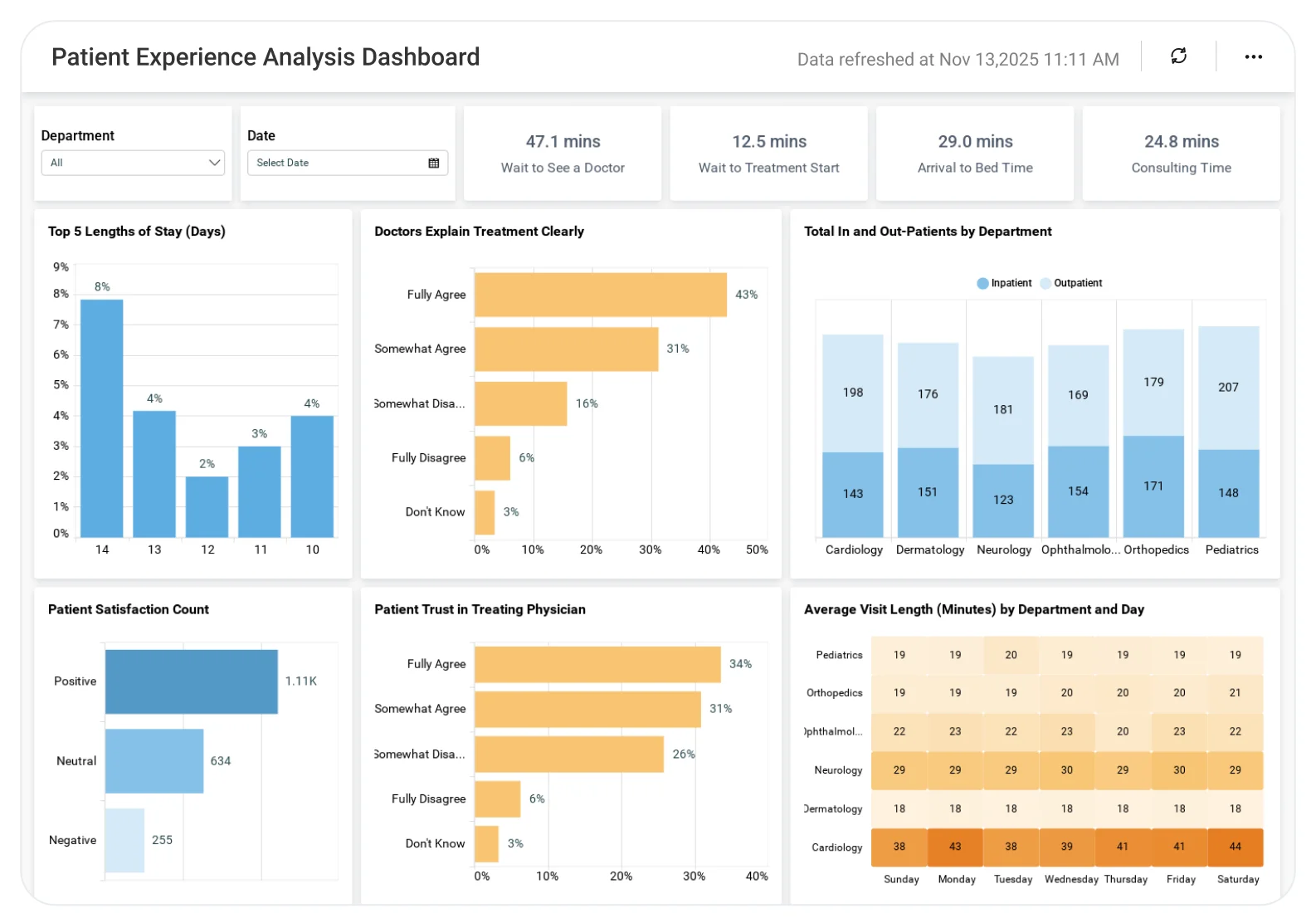
1. Strategic Frameworks for Effective Clinic Feedback Analysis
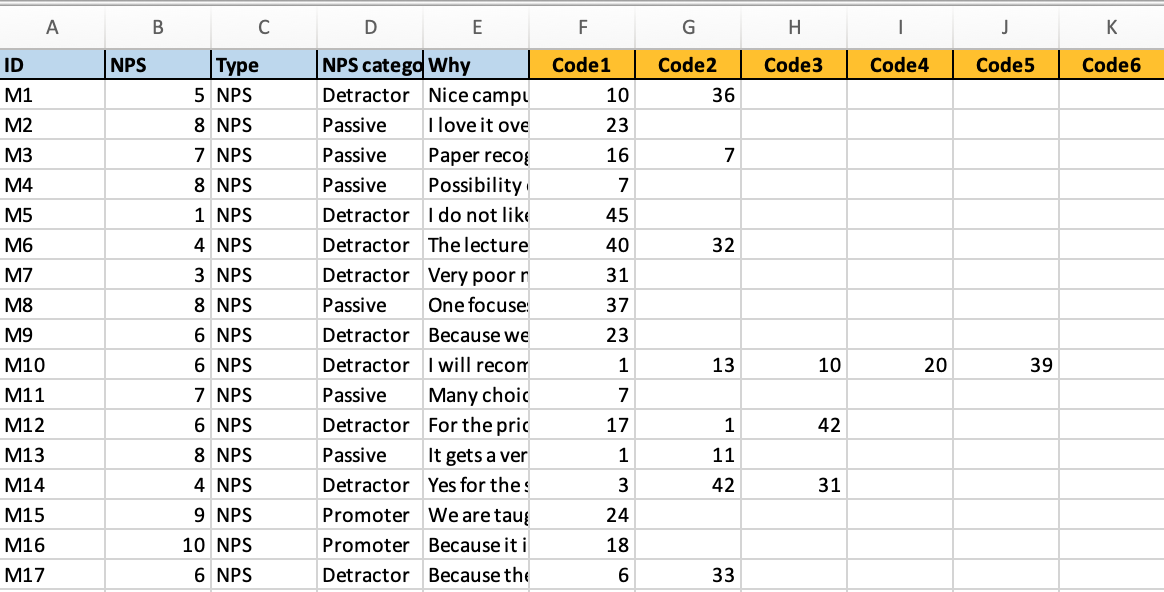
1.1 Designing Comprehensive Patient Feedback Collection Systems
1.1.1 Selecting Standardized Tools Like CAHPS and HCAHPS
Deploying standardized survey instruments ensures that healthcare organizations capture reliable, peer-comparable data. Tools like the Consumer Assessment of Healthcare Providers and Systems (CAHPS) provide structured frameworks to evaluate core dimensions of care, including provider communication, timely access to appointments, and staff courtesy. Utilizing these validated tools forms the baseline for an objective clinic feedback analysis, allowing facilities to track long-term trends accurately.
1.1.2 Optimizing Multi-Channel Digital and In-Clinic Collection Methods
Capturing diverse patient perspectives requires a multi-channel collection strategy that meets patients where they are. Clinics can combine digital touchpoints—such as post-visit SMS links, automated emails, and mobile app prompts—with physical touchpoints like QR-code tablets in the waiting room. This blended approach boosts participation rates across different demographics, ensuring that collected patient satisfaction ratings reflect the entire patient population rather than a single tech-savvy subset.
1.1.3 Mitigating Survey Fatigue to Maximize Representative Response Rates
Over-surveying patients frequently leads to declining response rates and skewed data quality. To combat survey fatigue, clinics must streamline questionnaire lengths, focus questions on high-impact areas, and implement smart cadence caps that limit how often a patient is contacted. Respecting patients’ time through concise, purposeful inquiries yields higher completion rates and more dependable data for ongoing clinic feedback analysis.
1.2 Advanced Methodologies for Qualitative and Quantitative Data Analysis
1.2.1 Applying Sentiment Analysis to Unstructured Patient Comments
Quantitative scores reveal what happened, but qualitative open-text comments explain why. Advanced natural language processing tools allow medical administrators to apply sentiment analysis to hundreds of patient reviews automatically. Categorizing free-text responses into positive, neutral, or negative emotional states uncovers hidden operational bottlenecks that standard multiple-choice questions often miss.
1.2.2 Using Root Cause Analysis to Trace Operational Failures
When negative feedback highlights recurring pain points, administrators should employ structured methodologies such as the “Five Whys” or fishbone diagrams. This root cause analysis moves past surface-level complaints—like long front desk queues—to identify systemic breakdowns, such as understaffing during peak morning hours or inefficient check-in software workflows.
1.2.3 Benchmarking Net Promoter Scores Against Industry Standards
Tracking the Net Promoter Score (NPS) helps clinics measure overall patient loyalty and willingness to recommend the practice to family and friends. Regularly benchmarking these scores against regional and national medical service quality standards gives leadership a clear picture of their competitive standing and highlights areas requiring immediate strategic intervention.
1.3 Integrating Feedback Management with Healthcare Technology
1.3.1 Leveraging AI and Natural Language Processing for Real-Time Insights
Artificial intelligence transforms static survey repositories into dynamic early-warning systems. By leveraging machine learning algorithms to scan incoming patient responses continuously, clinic managers receive real-time alerts regarding critical grievances, enabling swift administrative intervention before negative sentiments escalate.
1.3.2 Syncing Feedback Data Directly with Electronic Health Records
Connecting patient feedback platforms directly with Electronic Health Records creates a unified ecosystem for patient-centric care. This integration allows care teams to view specific patient experience metrics alongside clinical histories, fostering a holistic understanding of how operational factors influence broader clinical service evaluation outcomes.
1.3.3 Implementing Automated Closed-Loop Systems for Service Recovery
Closing the feedback loop is essential for rebuilding trust with dissatisfied patients. Automated closed-loop workflows instantly flag low scores and route them to patient relations teams for rapid outreach. Promptly addressing a patient’s concern not only resolves individual grievances but also significantly improves healthcare provider communication scores over time.
2. Transforming Clinic Feedback Analysis into Quality Improvement Outcomes
Conducting a thorough clinic feedback analysis is only the first step in a much larger journey toward operational and medical excellence. Without a structured framework to translate raw comments and numerical scores into daily practice, valuable patient insights simply go to waste. Modern medical practices must actively bridge the gap between listening to patients and executing meaningful changes that elevate overall standards of care.
2.1 Driving Clinical and Operational Excellence Through Data Insights
Turning patient data into tangible progress requires moving past surface-level complaints and digging into systemic patterns. By connecting patient metrics to day-to-day operations, clinics can address root causes of friction and elevate the standard of care across every department.
2.1.1 Translating Patient Metrics into Actionable Quality KPIs
To make patient feedback truly useful, clinics need to convert raw sentiment into clear Key Performance Indicators. Instead of just tracking whether a patient was happy, management should monitor specific metrics such as appointment booking speed, post-discharge follow-up rates, and facility cleanliness scores. For a deeper understanding of how these metrics affect your practice, review patient satisfaction ratings to see how numerical scores reflect underlying operational strengths and weaknesses.
2.1.2 Streamlining Administrative Workflows to Reduce Patient Wait Times
Long wait times are one of the most frequent complaints in outpatient settings, directly eroding trust before a patient even sees a physician. Clinic administrators can use feedback reports to pinpoint bottlenecks at check-in, registration, or triage. Introducing digital pre-registration, staggered appointment scheduling, and automated queue management helps smooth out daily patient flow and drastically reduces lobby congestion.
2.1.3 Enhancing Provider Communication Skills to Improve Clinical Outcomes
How a clinician communicates directly influences treatment adherence, diagnostic accuracy, and overall recovery. Analyzing provider communication scores helps identify specific areas for improvement, such as taking time to explain complex diagnoses, actively listening to patient concerns, or checking for understanding before ending a consultation. Clearer dialogues lead to better-informed patients who are far more likely to follow their prescribed care plans.
2.2 Fostering an Internal Culture of Quality and Patient-Centered Care
Sustained operational improvement depends heavily on staff buy-in. When clinic teams understand the value of patient feedback, they become active participants in building a more welcoming, patient-centered healthcare environment.
2.2.1 Developing Transparent Feedback Loops for Clinical and Support Staff
Frontline staff and physicians need regular access to constructive feedback to understand how their daily actions impact the patient journey. Establishing transparent internal reporting channels ensures that positive reviews are celebrated and recurring complaints are addressed collaboratively during team huddles rather than hidden away by management.
2.2.2 Conducting De-escalation and Empathy Workshops Based on Patient Pain Points
Difficult encounters often stem from patient anxiety, long delays, or miscommunication. By reviewing recurring pain points captured during data evaluations, clinics can design targeted training workshops. Teaching staff advanced de-escalation techniques and empathy-driven communication helps transform tense interactions into reassuring experiences.
2.2.3 Rewarding Care Teams for Sustainable Improvements in Satisfaction Scores
Recognizing hard work reinforces positive behaviors and keeps morale high. Implementing performance recognition programs that reward teams for consistent, measurable gains in patient satisfaction encourages a collective commitment to service excellence across both clinical and administrative roles.
2.3 Evaluating Long-Term ROI and Continuous Improvement Cycles
Quality improvement is not a one-time project; it is an ongoing commitment to refining healthcare delivery. Clinics must regularly measure the long-term return on investment of their feedback initiatives to ensure lasting value.
2.3.1 Mapping Patient Experience Improvements to Clinical Efficacy
There is a strong correlation between a positive patient experience and favorable clinical outcomes. When patients feel supported, understood, and respected, they are more engaged in their health management. Tracking clinical metrics alongside experience scores helps leadership see the direct medical value of listening to patients.
2.3.2 Utilizing PDSA Cycles to Maintain Continuous Quality Improvement
The Plan-Do-Study-Act framework offers a reliable method for testing small-scale changes before rolling them out across an entire medical facility. By continuously testing workflow adjustments based on recent feedback, clinics can adapt swiftly to evolving patient expectations without disrupting daily operations.
2.3.3 Navigating the Nuances Between Patient Satisfaction and Clinical Experience
It is vital to distinguish between a patient feeling pleased with amenities and experiencing high-quality clinical care. While hospitality matters, true quality improvement balances comfort with rigorous medical standards, ensuring that exceptional service never compromises clinical integrity.
Conducting a thorough clinic feedback analysis is no longer just a administrative checkbox; it serves as the foundational cornerstone for modern, patient-centered healthcare delivery. By systematically gathering, analyzing, and acting upon structured data and unstructured patient narratives, medical practices can transition from reactive problem-solving to proactive, sustainable quality improvement. Ultimately, listening closely to the individuals who walk through your doors paves the way for elevated standards of care, stronger community trust, and enduring clinical excellence.
Embracing this journey requires a continuous commitment to evaluation, staff alignment, and technological integration. To explore further strategies on how to measure and elevate your practice standards, read our guide on Clinic Feedback Analysis: How to Improve Patient Experience. When healthcare organizations close the loop on patient feedback, everyone wins—providers experience higher job satisfaction, and patients receive the empathetic, high-quality care they truly deserve.