
Evaluating medical service quality can feel like navigating a complex maze, especially when you are trying to make critical healthcare decisions for yourself or a loved one. In the U.S. healthcare system, patients are increasingly encouraged to look beyond glossy hospital brochures and flashy waiting rooms to examine the actual metrics that define safe, effective, and compassionate care. Whether you are managing a chronic condition, planning a surgical procedure, or simply trying to find a primary care provider who listens, understanding what drives quality care is essential for protecting your health.
To make informed choices, it helps to know how healthcare systems are evaluated and what indicators truly matter. This guide explores the core frameworks used to measure excellence in clinical settings, from institutional safety standards to the nuances of physician bedside manner ratings. By learning how to research provider competency, interpret patient satisfaction ratings, and recognize the hallmarks of transparent clinics, you can take an active role in securing the high standard of medical attention you deserve.
1. Understanding and Measuring Medical Service Quality in the U.S. Healthcare System

1.1 Defining the Standards of High-Quality Patient Care
Evaluating medical service quality in the U.S. requires a multi-dimensional approach that looks far beyond basic clinic cleanliness or short wait times. To truly understand what constitutes excellence in healthcare, industry leaders rely on established national benchmarks and clinical frameworks.
1.1.1 The Institute of Medicine framework for safety and equity
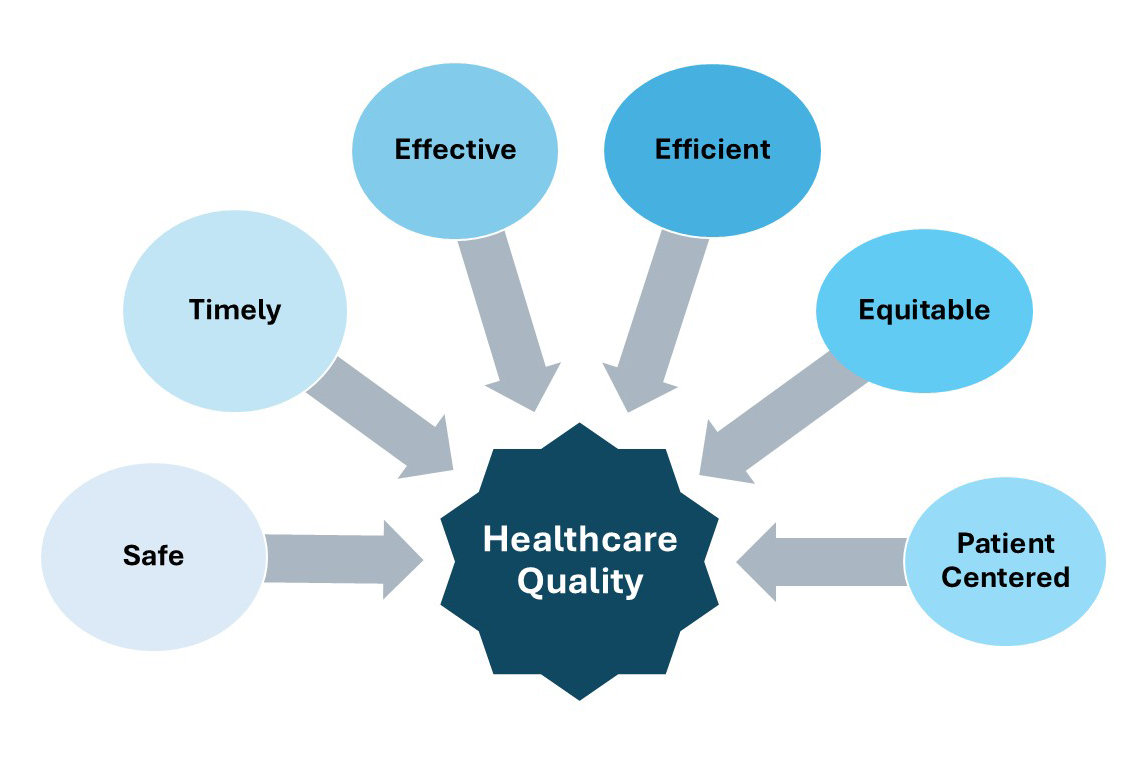
The landmark Institute of Medicine (now the National Academy of Medicine) framework defines high-quality care through six core pillars: safety, effectiveness, patient-centeredness, timeliness, efficiency, and equity. Safety ensures that clinical interventions do no harm to the patient. Equity guarantees that the quality of care received does not vary based on personal characteristics such as race, socioeconomic status, or geographic location. When evaluating a provider, assessing how well they uphold these fundamental standards is crucial.
1.1.2 Distinguishing between clinical outcomes and service delivery metrics
High medical service quality bridges two distinct worlds: clinical outcomes and service delivery. Clinical outcomes measure tangible medical results, such as successful infection control or accurate disease management. Meanwhile, service delivery metrics evaluate the human side of care—how smoothly appointments run, how clearly treatment plans are explained, and how respected the patient feels. Both elements must align for a healthcare facility to deliver truly exceptional care.
1.2 The Three Pillars of Healthcare Quality Measurement
Healthcare analysts categorize quality metrics into three distinct types to provide a comprehensive evaluation of a clinic or hospital system.
1.2.1 Structure measures regarding facility resources and staff qualifications
Structure measures look at the foundation of care delivery. This includes provider-to-patient ratios, the up-to-date nature of diagnostic equipment, and staff credentials. Reviewing these resources helps determine whether a facility has the physical and human capital necessary to support optimal patient health outcomes.
1.2.2 Process measures concerning adherence to clinical guidelines and preventive care
Process measures track what providers actually do to maintain or improve health. Examples include the percentage of patients receiving recommended preventive screenings, timely administration of antibiotics before surgery, or proper monitoring of chronic conditions like diabetes. For personalized health strategies, understanding these processes is vital, as explored further in resources detailing preventive health consultation.
1.2.3 Outcome measures including mortality, readmission rates, and complication frequencies
Ultimately, patients care deeply about what happens after treatment. Outcome measures capture the final results of care, reflecting whether patients recovered as expected, experienced avoidable complications, or required unplanned hospital readmissions.
1.3 The Role of Patient-Reported Experience in Quality Assessment
Numbers and clinical logs only tell part of the story. Capturing the lived experience of the patient is essential for a complete evaluation.
1.3.1 Utilizing CAHPS surveys to evaluate communication and patient-centeredness
Consumer Assessment of Healthcare Providers and Systems (CAHPS) surveys offer standardized feedback regarding patient satisfaction ratings. These instruments measure critical interactions, such as how thoroughly a physician listens, how well medication side effects are explained, and whether the overall care environment felt respectful and supportive.
1.3.2 The correlation between patient satisfaction scores and long-term health results
Research consistently demonstrates that strong patient-provider communication and high satisfaction scores directly correlate with better treatment adherence. When patients feel heard and respected, they are far more likely to follow medical advice, attend follow-up visits, and manage chronic illnesses effectively, proving that positive patient experiences directly support superior long-term health outcomes.
2. Practical Frameworks for Evaluating Medical Service Quality and Provider Performance
2.1 How to Research and Verify Provider Competency
Evaluating medical service quality begins long before you step foot in a waiting room. Taking a proactive approach to researching your options can safeguard your health and ensure you receive evidence-based care. When you want to dig deeper into a clinic’s background or a specific practitioner’s history, relying on standardized, objective tools makes all the difference.
2.1.1 Navigating Medicare Care Compare and The Leapfrog Group data
For individuals looking at hospitals and larger outpatient centers, platforms like Medicare Care Compare offer robust, government-verified datasets on patient outcomes, readmission rates, and complication frequencies. Pairing this with ratings from The Leapfrog Group gives you a clear picture of hospital safety metrics, including infection rates and surgical error preventions. To explore broader options for specialized needs, you can review resources dedicated to choosing top specialty clinics: a guide to quality care to align facility capabilities with your specific health conditions.
2.1.2 Verifying board certifications and checking state medical board disciplinary history
At the individual practitioner level, verifying credentials is an essential step. Always check whether a physician is board-certified through the American Board of Medical Specialties (ABMS) to ensure they have completed rigorous training and testing in their specialty. Additionally, checking your state’s medical board website allows you to view any active disciplinary actions, malpractice judgments, or licensing restrictions.
2.1.3 Evaluating administrative transparency and facility safety protocols
A trustworthy provider welcomes questions about their operational standards. Look for clinics that publish clear pricing, straightforward billing policies, and transparent patient safety protocols. High-quality facilities readily share how they sterilize equipment, handle patient data privacy, and manage emergency complications on-site.
2.2 Identifying Indicators of Substandard Care and Taking Action
Even with thorough research, you may occasionally encounter situations where the standard of care falls short. Knowing how to spot warning signs early empowers you to advocate for your health before minor oversights escalate into major medical complications.
2.2.1 Recognizing behavioral red flags such as dismissive communication or rushed visits
Evaluating physician bedside manner ratings often highlights the human side of medicine, but in-person interactions tell the real story. Behavioral warning signs include a practitioner who consistently interrupts you, dismisses your symptoms without proper testing, or rushes through appointments without giving you a chance to ask questions. Good medicine requires active listening and collaborative decision-making.
2.2.2 Assessing operational warning signs including disorganized records and facility hazards
On the operational side, disorganization can be a dangerous symptom of poor clinic management. Watch out for lost lab results, frequently rescheduled appointments due to administrative errors, or visibly unhygienic waiting and treatment areas. These red flags often point to systemic breakdowns in quality control.
2.2.3 Formal procedures for patient advocacy and reporting poor quality care
If you experience substandard care, you do not have to stay silent. Most reputable facilities have a patient advocate or ombudsman on staff to handle grievances internally. If an issue remains unresolved, you can file a formal complaint with your state health department or the accrediting organization that oversees the facility.
2.2.4 Maintaining personal health records to monitor continuity of care
One of the best defenses against fragmented care is maintaining your own detailed health archive. Keeping copies of your diagnostic scans, lab panels, and consultation notes ensures that if you decide to switch providers, your medical history remains intact and your continuity of care is never compromised.
Evaluating medical service quality ultimately comes down to becoming an active, informed partner in your own health journey. By looking beyond simple convenience and digging into structure, process, and outcome measures, you can cut through the marketing and find providers who truly prioritize patient safety and clinical excellence. Assessing facility transparency, reviewing board certifications, and paying close attention to physician bedside manner ratings give you a clearer picture of the standard of care you can expect.
Remember that your voice matters. If something feels off, or if you notice operational red flags, do not hesitate to advocate for yourself, seek out second opinions, or utilize formal reporting channels. To continue building your toolkit for navigating the healthcare system, explore our guide on choosing the best healthcare providers to ensure every step you take leads to safer, higher-quality outcomes.