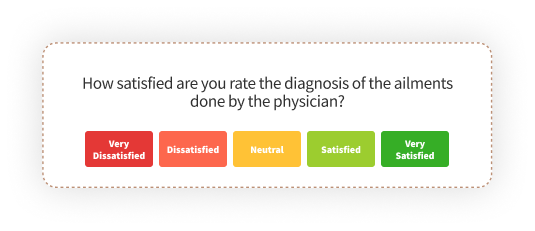

When searching for a new physician or evaluating a local clinic, most of us inevitably scroll through online reviews. Patient satisfaction ratings have become a standard fixture of modern healthcare, shaping how we perceive medical service quality long before we ever step foot in an examination room. From online public directories to institutional scorecards, these metrics aim to shed light on what it is actually like to receive care from a specific provider or facility.
Yet, looking at a string of star ratings or percentage scores rarely tells the whole story. A doctor with glowing physician bedside manner ratings might occasionally face criticism for operational hurdles like long waiting times, while a technically brilliant surgeon may struggle with communication scores. Understanding how to interpret these numbers requires looking beyond surface-level sentiment to see what data is actually being measured. In this guide, we will break down what patient satisfaction ratings truly mean, how healthcare organizations leverage this feedback, and how you can use these metrics to make more informed choices about your personal health journey.
1. Understanding Patient Satisfaction Ratings and Their Influence on Modern Care
Navigating the healthcare system often begins with a search for reliable data, and patient satisfaction ratings have become a cornerstone of how people evaluate modern medical care. Whether you are looking for a primary care physician, a specialized clinic, or a hospital network, these scores are designed to offer a window into what it feels like to be a patient within a specific facility.
1.1 The Evolution and Purpose of Patient Satisfaction Ratings
Over the past few decades, the healthcare landscape has shifted from a purely paternalistic model—where the physician’s word was absolute—to a patient-centered approach. Publicly available ratings emerged to bridge information gaps, giving consumers a voice and demanding greater healthcare facility transparency across the industry. Today, these metrics serve multiple purposes, helping individuals compare providers while pushing organizations to continuously refine their operational and interpersonal standards.
1.1.1 Distinguishing Between Patient Experience and Clinical Quality
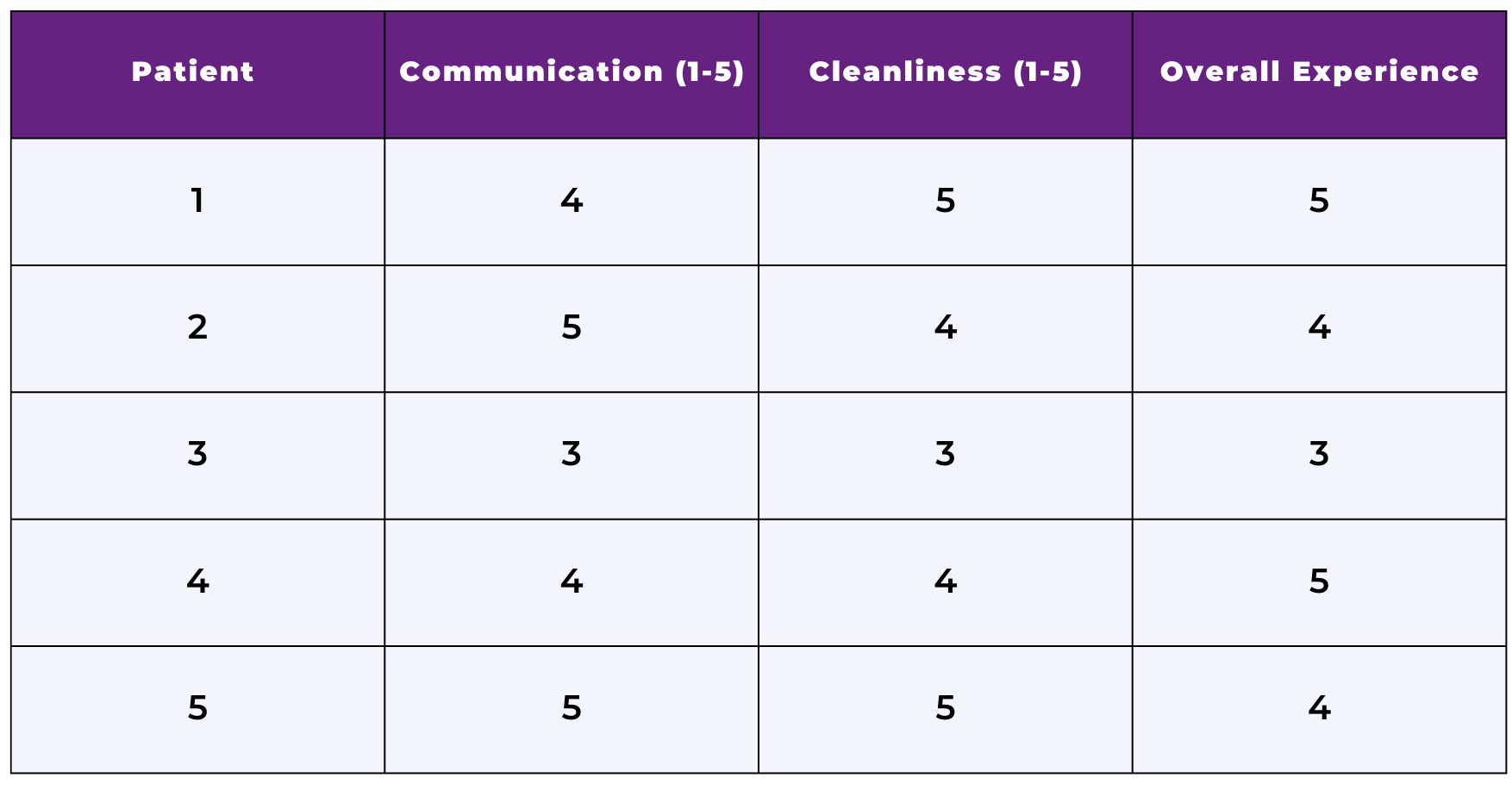
One of the most critical distinctions patients must make is understanding that satisfaction scores measure experience rather than direct medical competence. While terms like medical service quality are often used interchangeably with patient feedback, they measure different things. Patient experience surveys focus on communication, comfort, facility cleanliness, and responsiveness. A hospital can provide technically flawless surgery while still receiving lower marks if the post-operative communication or room noise levels were poor.
1.1.2 The Role of Surveys in Value-Based Care Models
In modern value-based care frameworks, federal agencies and insurance providers tie financial reimbursements directly to patient feedback. Instead of paying solely for the volume of procedures performed, the healthcare system rewards hospitals and clinics for delivering high-standard care that keeps patients engaged, informed, and satisfied throughout their healing journey.
1.2 How Healthcare Organizations Collect and Analyze Feedback
Healthcare providers do not just rely on casual online reviews; they implement rigorous, systematic methods to capture patient sentiment. Behind every public rating is a complex data collection infrastructure designed to ensure statistical validity and actionable insights.
1.2.1 Standardized Frameworks Like HCAHPS
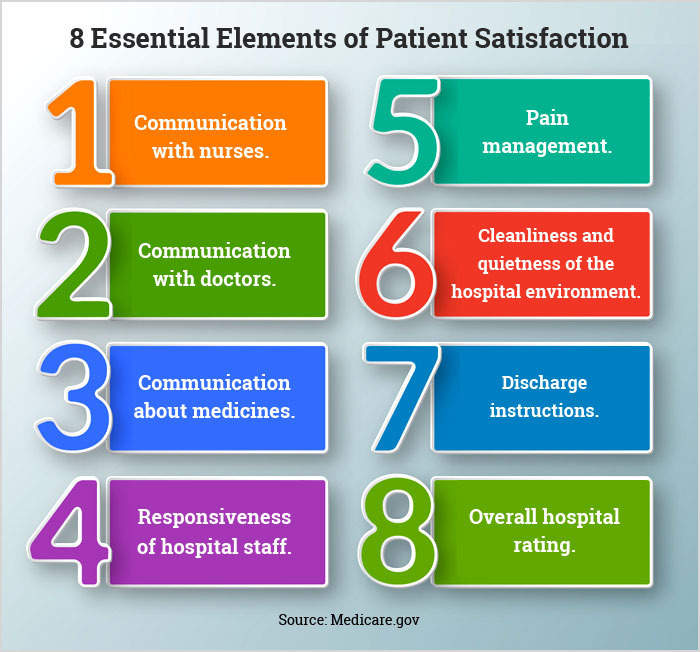
The Hospital Consumer Assessment of Healthcare Providers and Systems (HCAHPS) survey is the gold standard for measuring patient perspectives across U.S. hospitals. This standardized tool allows for fair comparisons between different facilities by asking recent patients specific questions about nurse and doctor communication, medication explanations, and discharge instructions.
1.2.2 Digital Feedback Loops and Real-Time Patient Sentiment
Beyond traditional mail and phone surveys, modern clinics utilize digital feedback loops, sending automated text messages or email questionnaires shortly after an appointment. This real-time collection helps medical practices catch service bottlenecks instantly, allowing clinic managers to address grievances before they manifest as negative public reviews.
1.3 Key Metrics That Drive Satisfaction Scores
When analyzing what drives a high or low score, several recurring themes emerge. Patients consistently evaluate their providers based on specific operational and interpersonal pillars that dictate their overall journey.
1.3.1 Communication Proficiency and Bedside Manner
Nothing influences a review quite like physician bedside manner ratings. Patients value clinicians who listen actively, explain diagnoses in plain English without excessive medical jargon, and involve them in shared decision-making regarding their treatment plans.
1.3.2 Operational Efficiency Including Wait Times and Access
Time is a valuable commodity. Long wait times in the waiting room, difficulty scheduling timely appointments, and frustrating phone trees routinely drag down otherwise stellar clinical reputations. Efficiency and respect for a patient’s schedule are heavy drivers of positive sentiment.
1.3.3 Facility Environment and Staff Responsiveness
The physical surroundings matter immensely. Cleanliness, quiet healing environments at night, comfortable room amenities, and the attentiveness of nursing staff and support personnel all contribute to the overarching score.
1.4 The Financial and Strategic Impact on Healthcare Providers
Patient satisfaction is no longer just a metric of vanity; it is tied directly to the economic survival and growth of modern medical institutions. Health systems invest heavily in training and infrastructure to optimize these scores.
1.4.1 Reimbursement Rates and Value-Based Purchasing
Under government programs like Medicare’s Value-Based Purchasing, a portion of hospital reimbursements is contingent upon HCAHPS performance. Facilities with consistently poor ratings face financial penalties, while top performers secure bonus funding, making high satisfaction a fiscal imperative.
1.4.2 Reputation Management and Patient Retention Strategies
In a competitive healthcare market, online ratings serve as a digital storefront. Hospitals and clinics utilize sophisticated reputation management strategies to retain existing patients, attract new demographics, and build long-term trust within their local communities by actively showcasing their commitment to medical service quality.
2. Critically Interpreting Patient Satisfaction Ratings for Informed Decision-Making
2.1 The Limitations and Potential Biases of Satisfaction Data
2.1.1 The Subjectivity Paradox and Unrealistic Expectations
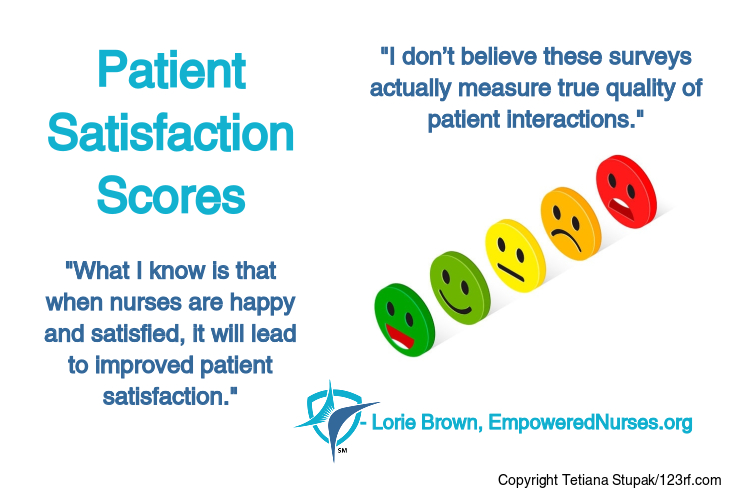
Navigating patient satisfaction ratings requires recognizing the fundamental subjectivity of these scores. A patient’s perception of medical service quality is frequently influenced by emotional stress, pain levels, and personal expectations rather than objective clinical excellence. When expectations clash with medical reality—such as a physician refusing to prescribe an unnecessary antibiotic—satisfaction scores often plummet despite the care being medically sound.
2.1.2 The Disconnect Between Personality and Clinical Competence
One of the most persistent challenges in evaluating physician bedside manner ratings is that high social intelligence and charisma do not automatically equate to superior technical skill. Conversely, brilliant surgeons or diagnosticians may possess more direct communication styles that lower their scores. Relying solely on aggregate satisfaction metrics can lead patients to overlook highly competent providers who prioritize clinical precision over superficial charm.
2.1.3 Socioeconomic Factors Influencing Survey Responses
Demographic and socioeconomic backgrounds heavily skew survey results. Research shows that patients from different cultural or economic environments interpret rating scales differently, often reporting lower satisfaction even when receiving identical standards of care. Healthcare facility transparency initiatives are working to adjust for these variables, but consumers must still interpret raw scores with caution.
2.2 Strategies for Patients Navigating Public Reporting Platforms
2.2.1 How to Evaluate Medicare.gov vs. Third-Party Review Sites
When researching providers, official government portals like Medicare.gov utilize standardized, risk-adjusted methodologies designed to minimize bias. In contrast, commercial third-party review platforms often suffer from self-selection bias, where only individuals with extreme experiences—either overwhelmingly positive or deeply frustrated—leave reviews. Cross-referencing multiple platforms helps build a balanced, accurate profile of a provider or clinic.
2.2.2 Identifying Red Flags in Aggregate Review Data
Discerning patients look past the overall star rating to examine the underlying volume and consistency of feedback. A single low score among dozens of positive reviews is rarely cause for concern, whereas a recurring pattern of complaints regarding billing disputes, chronic scheduling neglect, or poor post-treatment support serves as a legitimate operational warning sign.
2.3 Translating Scores into Operational Improvements
2.3.1 Moving Beyond Averages to Qualitative Feedback Analysis
Progressive medical practices look past simple numerical averages to evaluate open-ended text comments. By analyzing qualitative feedback, healthcare administrators can pinpoint exact operational bottlenecks—such as confusing intake paperwork or prolonged wait times—allowing them to make targeted adjustments that genuinely elevate the patient experience.
2.3.2 Bridging the Gap Between Patient Expectations and Medical Reality
Effective healthcare delivery requires aligning patient desires with clinical guidelines. Practices that successfully improve their scores often invest in proactive communication strategies, ensuring patients understand treatment timelines, diagnostic limitations, and expected recovery milestones before they ever complete a post-visit survey.
2.4 Frequently Asked Questions About Satisfaction Metrics
2.4.1 Are Higher Ratings Correlated with Better Medical Outcomes?
The correlation between high satisfaction scores and objective patient-reported outcome measures is surprisingly complex. While satisfied patients are often more compliant with treatment plans, high scores do not guarantee lower complication rates or superior surgical success.
2.4.2 Why Excellent Physicians May Receive Low Scores
Physicians specializing in complex, chronic, or terminal illnesses frequently treat patients facing grim prognoses. These emotional burdens, combined with necessary diagnostic delays and strict controlled-substance regulations, frequently result in unfairly suppressed ratings.
2.4.3 How Patients Can Provide Constructive and Accurate Feedback
Patients can maximize their impact by focusing feedback on specific, actionable details—such as staff responsiveness or clarity of instructions—rather than venting generalized frustrations about the broader healthcare system.
2.4.4 Understanding the Update Frequency of Public Databases
Public reporting platforms and institutional databases update at varying intervals, ranging from monthly digital feeds to annual federal data releases. Always verify the date range of a dataset to ensure the ratings reflect current clinic operations and recent staff retention changes.
Navigating patient satisfaction ratings requires a balanced approach. While these scores offer valuable insights into a facility’s commitment to medical service quality and patient-centered communication, they should never replace a thorough evaluation of clinical outcomes and safety records. Recognizing both the strengths and limitations of these metrics empowers you to make truly informed decisions about your healthcare journey.
Ultimately, the best choice extends beyond a star rating or an online review. True health advocacy involves looking at the full picture—combining institutional transparency, provider expertise, and your own personal goals. To learn more about evaluating medical standards and finding the right fit for your needs, read our guide on healthcare facility transparency.