

Navigating modern healthcare often starts long before you ever step foot inside a clinic. When sudden symptoms flare up in the middle of the night or a persistent cough lingers for days, finding reliable, immediate answers can feel overwhelming. This is where digital symptom assessment has fundamentally transformed the way patients approach their healthcare. By leveraging sophisticated algorithms and structured clinical logic, these digital tools help bridge the gap between uncertainty and actionable medical triage guidance, empowering individuals to evaluate their risk levels from the comfort of home.
In this guide, you will learn how modern triage platforms operate behind the scenes, the critical safety and privacy protocols protecting your data, and how to use these tools effectively. Whether you are preparing for a virtual consultation as part of the broader telehealth patient journey or simply trying to decide whether your symptoms warrant an urgent care visit, understanding how to navigate these digital resources ensures you take the right steps toward better health outcomes.
1. Understanding Digital Symptom Assessment and Modern Health Triage
1.1 The Evolution and Mechanics of Digital Triage Tools
1.1.1 Defining the transition from traditional nurse lines to algorithmic triage
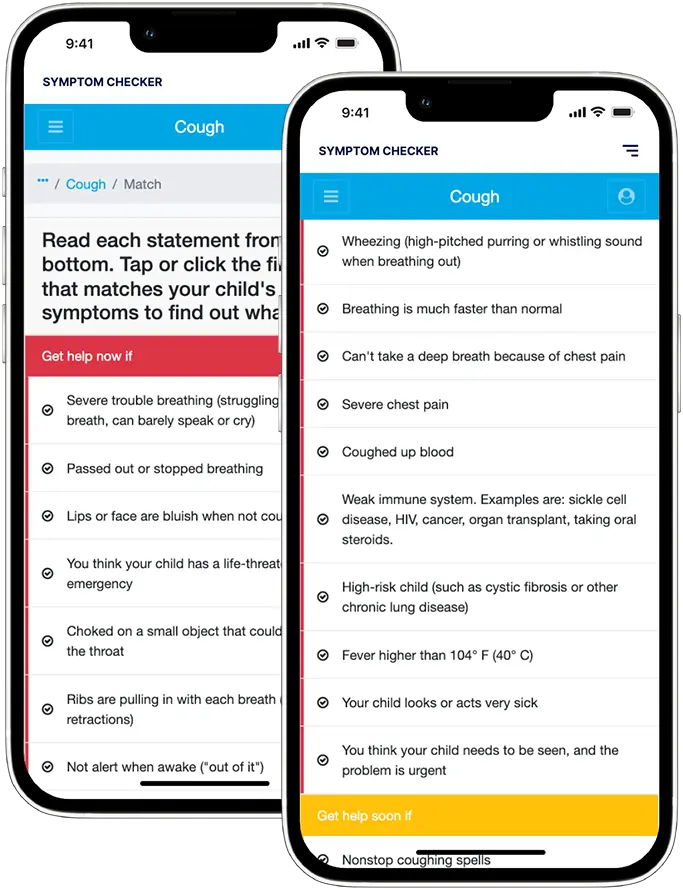
For decades, navigating unexpected health concerns after hours meant dialing a traditional nurse advice line, waiting on hold, and verbally describing symptoms to a healthcare professional. While these telephone triage services remain a cornerstone of community care, the modern telehealth patient journey has shifted dramatically toward digital platforms. Today, patients can instantly access web- and app-based tools that guide them through structured symptom questionnaires, providing immediate preliminary direction without the wait times historically associated with phone-based triage.
1.1.2 How AI and logic trees process clinical input for triage decisions
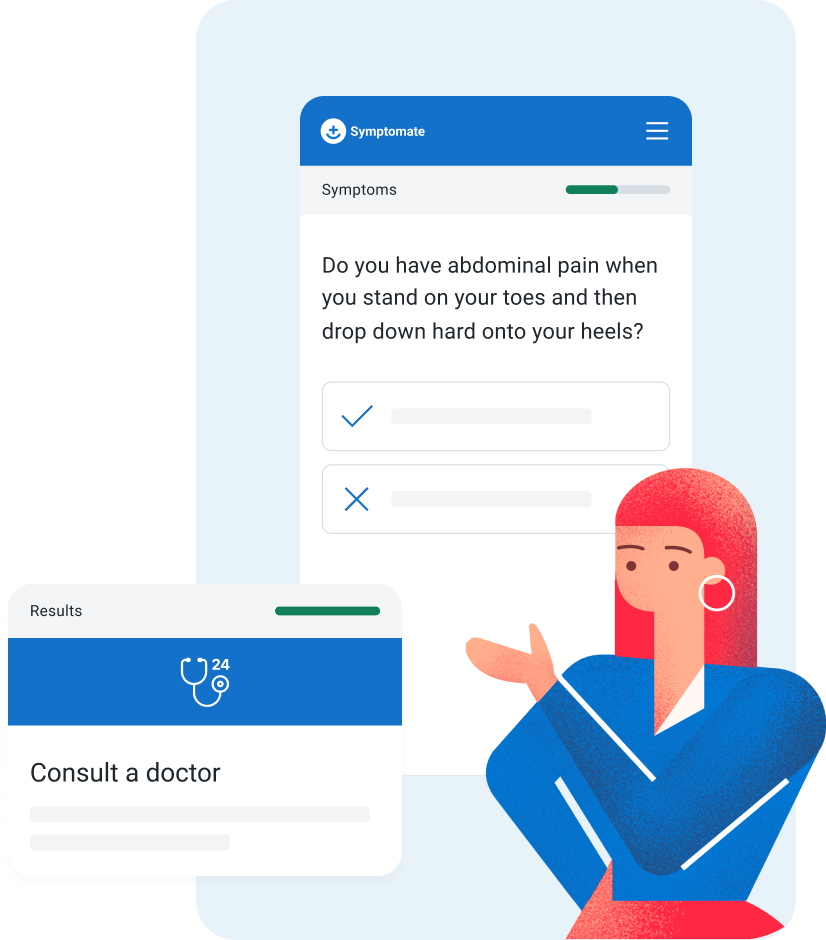
Behind the user-friendly interface of a digital symptom assessment tool lies a complex engine powered by algorithmic logic trees and artificial intelligence. When a user inputs their symptoms, duration, and severity, the software cross-references these data points against vast databases of clinical rules, symptom correlations, and epidemiological probabilities. Advanced machine learning models analyze the relational patterns of symptoms to weigh potential conditions, translating subjective human experiences into structured clinical input that ultimately determines the urgency of care.
1.2 Strategic Benefits of Integrating Symptom Checkers into Healthcare
1.2.1 Enhancing patient health literacy and diagnostic preparedness
Deploying digital triage tools does more than just point a user toward the nearest clinic; it actively fosters health literacy. By prompting users to consider specific characteristics of their discomfort—such as onset, triggers, and associated signs—these platforms teach individuals how to observe and articulate their health status accurately. This interactive process equips patients with structured personalized health guidance, empowering them to walk into a clinical encounter with a clearer understanding of their health profile.
1.2.2 Alleviating strain on primary care and emergency departments
Healthcare systems across the United States face chronic bottlenecks, particularly in emergency departments and primary care clinics. Digital triage acts as an intelligent front door, helping to filter out low-acuity conditions that can be safely managed at home while directing high-risk patients to appropriate emergency facilities. This efficient sorting mechanism optimizes resource allocation, reduces unnecessary emergency room visits, and ensures that clinical staff can focus their attention where it is most urgently needed.
1.2.3 Expanding 24/7 access to preliminary clinical guidance
Medical concerns rarely adhere to standard business hours. One of the most significant advantages of algorithmic symptom checkers is their constant availability. Providing round-the-clock access to preliminary medical triage guidance bridges the gap during weekends, holidays, and late-night hours when traditional clinics are closed, offering peace of mind and actionable direction whenever symptoms arise.
1.3 Essential Safety Protocols and Data Privacy Standards
1.3.1 Navigating HIPAA compliance and data encryption in health apps
Because symptom assessment involves sharing intimate personal and medical details, data security is paramount. Reputable digital health platforms must strictly adhere to Health Insurance Portability and Accountability Act (HIPAA) regulations when handling protected health information. This requires robust end-to-end encryption both in transit and at rest, secure cloud storage architectures, and transparent privacy policies that ensure user data is never commercialized without explicit consent.
1.3.2 Assessing clinical validation and regulatory oversight for diagnostic software
Not all symptom checkers are created equal, making clinical validation a critical benchmark for safety and efficacy. Regulatory bodies, such as the U.S. Food and Drug Administration (FDA), increasingly scrutinize software-as-a-medical-device (SaMD) products to ensure their underlying algorithms are backed by rigorous peer-reviewed clinical testing. Users and healthcare providers alike should look for tools that transparently report their accuracy metrics, error rates, and clinical governance frameworks.
Practical Application and Clinical Integration of Digital Symptom Assessment
Conducting an Accurate Symptom Assessment
Gathering comprehensive medical histories and medication lists
Entering an online symptom checker requires more than just noting your immediate discomfort. To yield actionable medical triage guidance, you must input a thorough history, including chronic conditions, past surgeries, and a complete, up-to-date medication list. Overlooking an over-the-counter supplement or a newly prescribed drug can easily skew software algorithms, as potential adverse drug reactions or interactions often mimic acute illnesses.
Utilizing precise terminology to improve algorithmic accuracy
Vague entries like feeling bad or general stomach pain rarely lead to helpful insights. Instead, lean into descriptive, clinical terminology—such as sharp, intermittent right-lower-quadrant abdominal cramping—to enhance algorithmic precision. Providing granular details regarding symptom onset, duration, and severity allows the logic tree to parse your inputs effectively and deliver targeted personalized health guidance tailored to your specific presentation.
Identifying red flag symptoms that necessitate immediate emergency intervention
Every digital assessment tool relies on built-in safety triggers designed to spot critical red flags. Recognizing symptoms like sudden chest pressure, severe shortness of breath, unilateral weakness, or high fever with confusion is vital. If your inputs align with these warning signs, the software will immediately bypass standard triage pathways and direct you to seek emergency care, a step you should never ignore.
Interpreting Triage Outputs and Avoiding Common Pitfalls
Decoding risk-based recommendations from self-care to ER visits
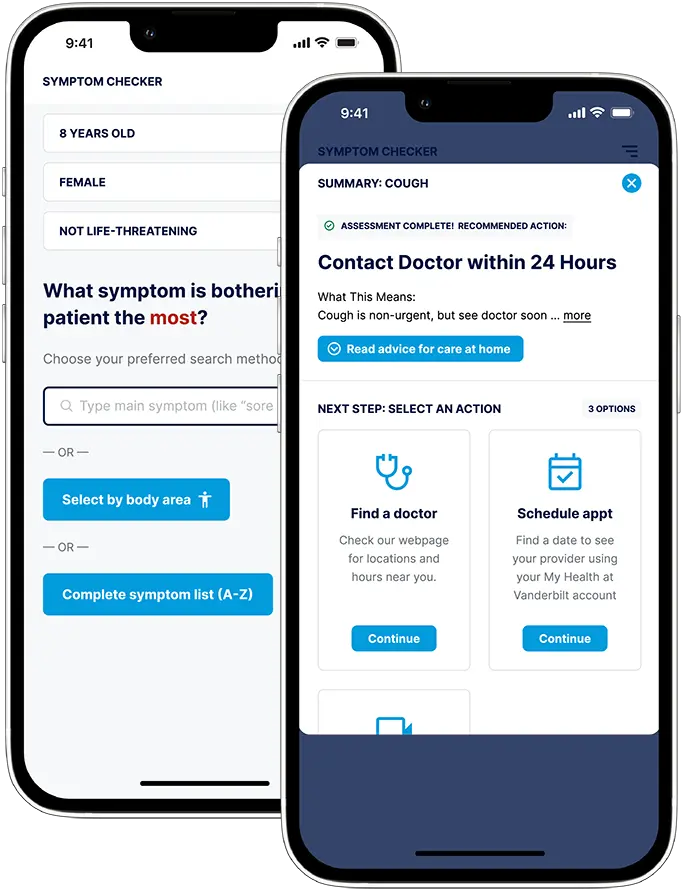
Understanding the output of a symptom checker means recognizing the spectrum of risk tiers it assigns. Recommendations usually range from home-based self-care and scheduling a routine doctor appointment to visiting an urgent care clinic or heading straight to the emergency room. Reviewing these outputs requires a balanced perspective, treating them as preliminary advisories rather than definitive diagnoses.
Managing the psychological impact of cyberchondria and over-diagnosis
Relying heavily on digital tools can sometimes feed health anxiety, leading users down rabbit holes of worst-case scenarios and catastrophic over-diagnosis. To protect your mental well-being, approach digital triage with objective detachment. Treat the software as an organizational sounding board rather than an infallible oracle, keeping in mind that rare conditions suggested by an algorithm are statistically unlikely.
Understanding the limitations of AI versus professional clinical judgment
Artificial intelligence lacks the physical examination skills, intuitive pattern recognition, and holistic empathy of a licensed clinician. While algorithms excel at processing data points quickly, they cannot replace the nuanced evaluation provided during an in-person or telehealth patient journey. Always view digital output as a helpful preliminary step rather than the final word on your health.
Bridging the Gap Between Virtual Triage and Formal Medical Care
Preparing effective summaries for telehealth and in-person consultations
Maximizing your upcoming doctor visit starts with organizing the output from your digital assessment into a concise, readable summary. Listing your primary complaints, duration, and the software’s preliminary insights helps streamline your communication with the physician. This structured preparation ensures no critical detail gets lost in the rush of a brief appointment.
Streamlining the physician-patient handoff with digital documentation
Modern health applications often allow you to export your triage session into a downloadable PDF or a secure portal message. Handing this documentation to your care team bridges the information gap before the examination even begins. It provides a chronological record of how your symptoms evolved, saving valuable time during clinical evaluation.
Maintaining continuity of care within personal health records
Integrating your digital symptom assessments into your personal health record or patient portal ensures long-term tracking of recurring health patterns. By saving these records alongside lab results and immunization histories, you build a comprehensive timeline that supports ongoing chronic disease management and preventive wellness strategies over the years.
Navigating modern healthcare requires a balance of technological innovation and grounded human judgment. Digital symptom assessment has fundamentally transformed how individuals approach early health concerns, offering a bridge between initial uncertainty and professional medical care. By leveraging advanced logic trees and continuous data streams, these platforms empower patients to take an active role in evaluating their health status before stepping into a clinic.
Ultimately, these digital tools are designed to complement—never replace—the expertise of licensed healthcare providers. When used responsibly, they enhance clinical efficiency, reduce unnecessary emergency room visits, and deliver personalized health guidance right when it is needed most. As digital health ecosystems continue to evolve, integrating these assessments into your regular health routine can help you make more informed decisions about your care path. To learn more about how modern tools are shaping virtual healthcare experiences, explore the telehealth patient journey.