

Transitioning from a hospital bed or specialized clinic back to the comfort of home is a critical phase in any medical journey. How a healthcare facility manages this handoff often dictates whether a patient recovers smoothly or encounters preventable complications. This is why healthcare administrators, clinicians, and quality improvement teams increasingly rely on patient discharge experience surveys to capture vital feedback about the transition process. These evaluations do much more than simply measure patient satisfaction; they provide actionable insights into medical service quality, highlighting communication gaps and operational bottlenecks that require immediate attention.
In this comprehensive guide, you will learn how medical organizations design, implement, and analyze post-discharge feedback mechanisms to drive meaningful change. We will explore the regulatory landscape governing these evaluations, strategies for boosting response rates across diverse populations, and proven methods for transforming raw survey data into lower readmission rates and better clinical outcomes.
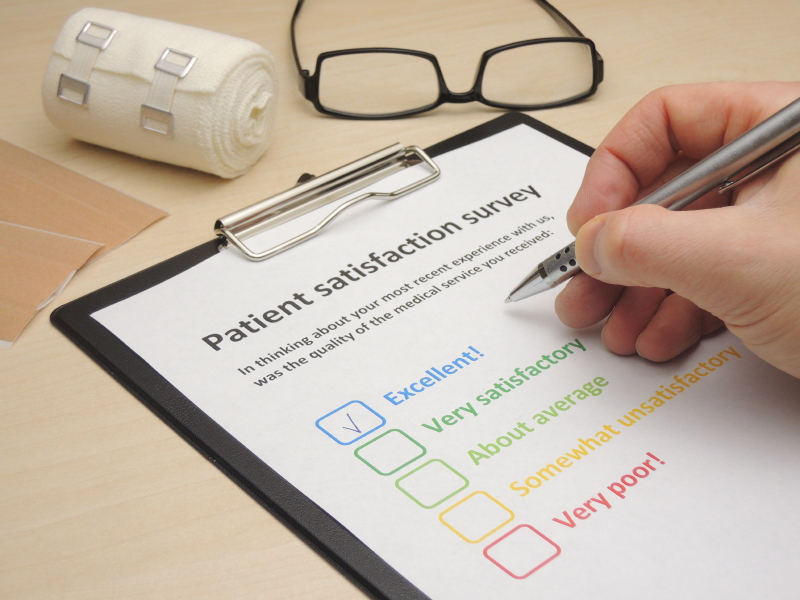
1. Optimizing Patient Discharge Experience Surveys for Clinical Excellence and Compliance
1.1 Regulatory Landscape and the Impact of HCAHPS
1.1.1 Understanding Value Based Purchasing and Reimbursement
Modern healthcare systems operate under strict federal guidelines that directly tie financial performance to patient feedback. Through frameworks like the Hospital Value-Based Purchasing program, Centers for Medicare & Medicaid Services incentivize hospitals to elevate medical service quality by linking a portion of Medicare reimbursements directly to survey results. When patients report clear communication and smooth transitions, hospitals capture higher scores, translating into vital financial support that sustains community-based health initiatives.
1.1.2 Distinguishing Internal Quality Metrics from Mandatory Federal Reporting
Navigating patient feedback requires healthcare administrators to separate standardized federal mandates from custom internal data collection. While Hospital Consumer Assessment of Healthcare Providers and Systems instruments provide a baseline for national comparison, progressive clinics supplement these metrics with targeted internal evaluations. Tracking clinic feedback analysis helps executive teams catch operational friction points long before public reporting cycles occur, ensuring continuous alignment with both regulatory demands and internal clinical standards.
1.2 Strategic Design of Patient Discharge Experience Surveys
1.2.1 Core Domains Including Medication Literacy and Follow Up Coordination
An effective feedback instrument targets specific operational vulnerabilities that occur when a patient leaves a facility. Core questionnaire domains must evaluate medication literacy, potential side effect recognition, and follow-up appointment coordination. When surveys measure these critical pillars accurately, care teams gain deep visibility into how well discharge instructions translate into safe, independent at-home recovery.
1.2.2 Balancing Survey Length with Data Granularity for Maximum Response Rates
Designing an instrument that gathers actionable data without inducing survey fatigue remains a delicate balancing act. Overly long questionnaires drastically reduce completion rates, skewing data toward extreme negative or positive experiences. Healthcare administrators must prioritize high-yield questions that measure essential quality outcomes while respecting the patient’s time during a vulnerable recovery phase.
1.2.3 Adapting Digital and Paper Modalities for Diverse Patient Demographics
Reaching an entire patient population necessitates offering multiple survey completion channels. While tech-savvy populations readily engage with SMS links and patient portal prompts, older or economically disadvantaged demographics may require traditional paper mailers or phone-assisted interviews. Providing flexible modalities ensures that healthcare provider communication scores accurately reflect every demographic group rather than just digital natives.
1.3 Ensuring Equitable Access and Cultural Sensitivity
1.3.1 Addressing Health Literacy Barriers in Post Discharge Instructions
Post-discharge instructions packed with dense medical jargon often lead to medication errors and preventable hospital readmissions. Survey designs must evaluate whether patients genuinely understood their care plan or simply nodded along out of intimidation. Designing accessible surveys and easy-to-read discharge materials helps bridge health literacy gaps, empowering patients to manage chronic conditions effectively at home.
1.3.2 Cultural Competency in Survey Language and Delivery Methods
True clinical excellence requires honoring the diverse cultural backgrounds of the communities healthcare facilities serve. Surveys must be professionally translated into predominant local languages, and delivery methods should respect cultural nuances surrounding health communication and family involvement. Culturally competent feedback collection not only boosts response accuracy but also demonstrates a genuine organizational commitment to inclusive, high-standard patient care.
2. Leveraging Data to Drive Systemic Improvements and Reduced Readmissions
Collecting feedback is only the first step toward clinical excellence. Healthcare organizations must actively translate patient discharge experience surveys into actionable operational changes that directly enhance medical service quality. When hospitals and outpatient clinics systematically evaluate where transition processes break down, they can address the root causes of patient confusion and operational inefficiency.
2.1 Translating Survey Insights into Operational Workflow Changes
Bridging the gap between raw survey scores and bedside practice requires structured implementation frameworks. A primary strategy involves adopting the IDEAL Discharge Planning Model, which actively engages patients and their families in every step of the transition. By standardizing teach-back methodologies across multidisciplinary teams, clinicians ensure that patients truly comprehend their diagnosis, warning signs, and self-care steps before leaving the facility. Furthermore, integrating family caregivers into the transition of care process provides an invaluable layer of safety, reducing the likelihood of missed post-discharge instructions.
2.2 Analytics and Continuous Quality Improvement Strategies
Data analytics transforms qualitative and quantitative feedback into a roadmap for better care delivery. Quantitative benchmarking allows medical directors to track satisfaction trends over time and isolate systematic discharge bottlenecks, such as pharmacy delays or missing documentation. Simultaneously, qualitative mining of patient comments helps quality assurance teams pinpoint specific breakdowns in healthcare provider communication scores. When recurring issues are identified, clinics can initiate proactive measures, such as scheduling post-discharge follow-up calls to bridge communication gaps before minor symptoms escalate into urgent complications.
2.3 Measuring Long Term Clinical Outcomes and ROI
The ultimate value of rigorous feedback analysis lies in its ability to improve clinical results and operational efficiency. By correlating survey scores with reduced emergency department return visits, healthcare leaders can prove the tangible return on investment of patient-centered discharge initiatives. Moreover, tracking how improved discharge guidance fosters enhanced medication adherence gives care teams a clearer picture of long-term recovery effectiveness. To sustain these positive trends, executive leadership must foster a culture of accountability, ensuring that clinical departments review feedback regularly and utilize tools like a clinic grievance redressal process to resolve patient concerns swiftly and transparently.
Ultimately, patient discharge experience surveys are far more than routine administrative checklists or compliance checkboxes. They serve as a direct bridge between clinical care and patient recovery, transforming raw feedback into tangible opportunities for organizational growth and better health outcomes. When healthcare systems actively listen to what patients and their families have to say during these critical transition periods, they can pinpoint operational bottlenecks, refine communication strategies, and ultimately foster a deeper culture of safety and accountability.
Embracing a continuous improvement mindset ensures that every piece of feedback helps close the loop on care gaps. Whether your organization is looking to streamline post-treatment transitions or refine its internal protocols, understanding how to effectively gather and act on insights is key. To explore more strategies on enhancing operational standards, take a look at this comprehensive guide on clinic feedback analysis and patient experience improvement. Prioritizing these insights not only protects reimbursement and regulatory standing, but more importantly, it ensures every patient leaves your facility feeling truly supported, informed, and prepared for the road ahead.