

Mastering preventative health wearable data analysis has fundamentally changed how we approach personal wellness, moving us away from reactive symptom management and toward proactive self-care. Today, millions of Americans wear advanced fitness trackers, smartwatches, and continuous glucose monitors that quietly capture thousands of biological data points every single day. However, simply collecting metrics like resting heart rate, sleep stages, and blood oxygen levels is only half the battle. The true challenge—and opportunity—lies in transforming raw digital signals into meaningful insights that support personalized health guidance. In this guide, you will learn how to decode your biometric numbers, establish accurate personal baselines, and safely integrate wearable technology into your long-term wellness strategy without falling into the trap of data overload.
1. Optimizing Preventative Health Wearable Data Analysis for Personalized Wellness
1.1 Foundations of Wearable Technology and Biometric Metrics
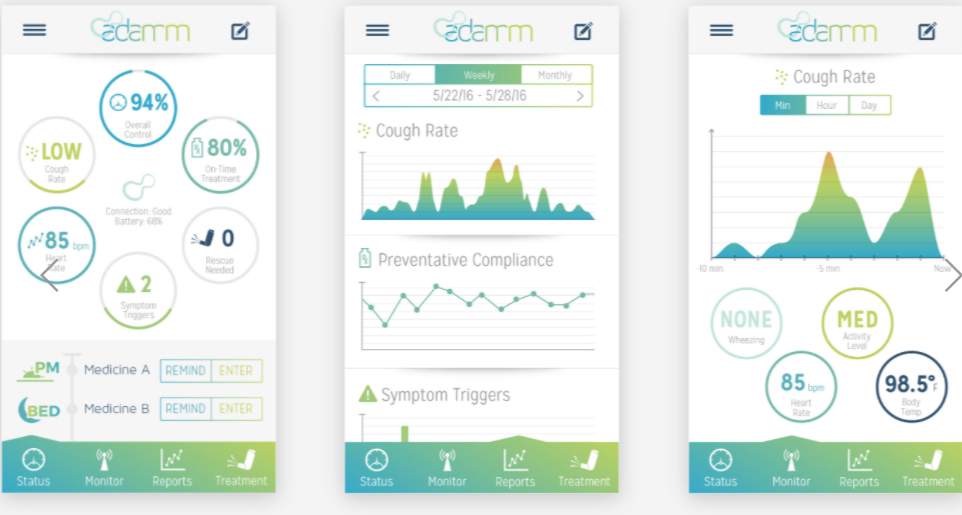
Modern consumer healthcare has shifted from reactive treatments to continuous monitoring, largely driven by consumer-grade hardware. Understanding how to approach preventative health wearable data analysis begins with knowing the tools at our disposal. Today’s ecosystem spans everyday smartwatches, dedicated fitness bands, smart rings, and specialized continuous glucose monitors (CGMs). Each device class captures distinct biological markers through optical, electrical, and thermal sensors, transforming invisible physiological processes into trackable data streams.
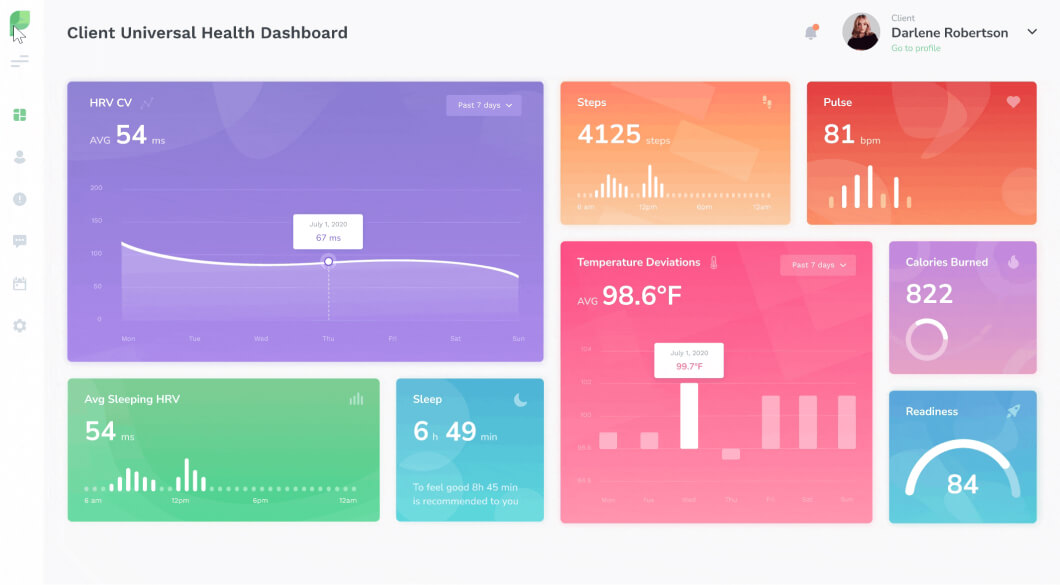
At the center of this monitoring wave are core biometrics: heart rate variability (HRV), sleep architecture, and blood oxygen saturation ($SpO_2$). HRV tracks the time variations between consecutive heartbeats, serving as a primary window into your autonomic nervous system. Sleep architecture measures the duration and transitions between deep, REM, and light sleep stages, while $SpO_2$ gauges respiratory efficiency. Navigating these streams requires careful biometric health data interpretation so you can separate normal daily fluctuations from genuine physiological stress.
It is vital, however, to acknowledge the technical gap between consumer-grade devices and medical-grade diagnostics. While a smartwatch can flag an irregular pulse or track sleep duration with impressive consistency, it is not a clinical instrument. Consumer sensors are susceptible to motion artifacts and environmental interference. Recognizing these hardware limitations ensures you use wearable metrics as early warning indicators and conversation starters for a professional preventive health consultation rather than definitive diagnostic conclusions.
1.2 The Mechanics of Data Interpretation and Baseline Establishment
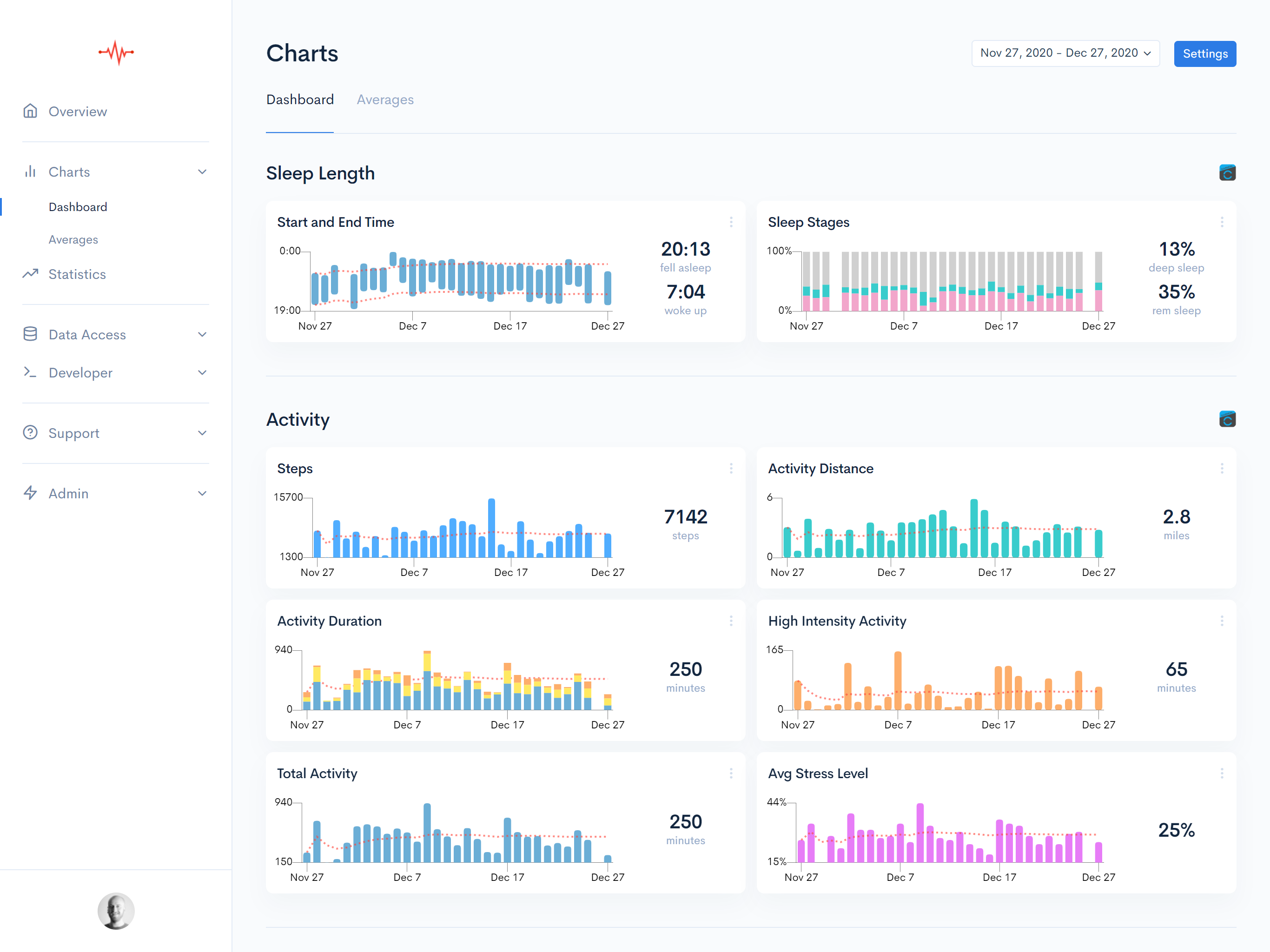
Raw sensor data is essentially useless without sophisticated software layers to make sense of it. Advanced wearables employ machine learning algorithms to translate millions of raw optical and electrical signals into clean, actionable trends. These algorithms filter out background noise, calculate resting metrics during periods of inactivity, and flag sudden deviations from established behavioral patterns.
However, interpreting these signals depends heavily on longitudinal data. Relying on generic population averages can be misleading because individual biology varies widely. Establishing your personal norm—the baseline unique to your age, fitness level, and daily routine—is crucial for accurate lifestyle disease risk stratification. If your resting heart rate creeps up by five beats per minute over several weeks, that personalized trend matters far more than whether your absolute number falls within a standard demographic chart.
Achieving clean longitudinal data also requires mitigating signal noise through proper device calibration. Wearables must be worn snugly and consistently, ideally during the same hours each day or night. Keeping sensor lenses clean and accounting for environmental factors like high ambient temperatures or intense physical exertion ensures your daily readings remain reliable enough to inform a long-term preventative health roadmap planning strategy.
1.3 Clinical Applications and Early Disease Prevention
Beyond tracking daily steps or workout calories, wearable data analysis plays an increasingly vital role in early disease prevention. Cardiovascular vigilance is one of the most mature applications. Built-in photoplethysmography (PPG) and single-lead electrocardiograms (ECGs) help users monitor for silent arrhythmias like atrial fibrillation and track subtle blood pressure trends over time, giving individuals and clinicians a head start on managing cardiovascular health.
Similarly, metabolic monitoring has expanded beyond clinical settings thanks to wearable sensors that track glucose spikes and insulin sensitivity in real time. By observing how specific meals, sleep deprivation, or stress impact blood sugar levels, users can secure truly personalized health guidance that targets metabolic health at its root. This immediate feedback loop encourages dietary adjustments long before pre-diabetes or metabolic syndrome manifest on standard annual blood panels.
Finally, tracking autonomic nervous system function through continuous HRV monitoring offers deep insights into mental resilience and chronic stress. When your nervous system remains locked in a sympathetic (fight-or-flight) state without adequate parasympathetic recovery, your overall wellness suffers. By analyzing these stress patterns alongside sleep and recovery metrics, you can proactively adjust your lifestyle habits to protect both your mental health and long-term physical vitality.
2. Navigating the Practical Challenges of Preventative Health Wearable Data Analysis
2.1 Data Privacy, Security, and Healthcare Integration
2.1.1 Evaluating Privacy Risks: Understanding Data Ownership and HIPAA Compliance
When diving into preventative health wearable data analysis, most consumers assume their biometric metrics enjoy the same legal protections as a hospital chart. However, commercial fitness trackers and smartwatches fall under consumer protection laws rather than the Health Insurance Portability and Accountability Act (HIPAA). This distinction means your heart rate, sleep metrics, and activity levels can potentially be shared with third-party vendors or advertisers depending on the app’s terms of service. Reviewing privacy policies carefully ensures you understand who truly owns your health data.
2.1.2 Bridging the Gap: How to Effectively Present Wearable Reports to Your Primary Care Physician
Translating continuous sensor metrics into a productive conversation with your doctor requires organization and clarity. Instead of bringing years of raw data logs, focus on summarized trends, such as a steadily rising resting heart rate or persistent sleep disruptions over a 30-day period. Providing structured reports allows clinicians to offer targeted personalized health guidance rather than trying to decipher raw, unformatted spreadsheets during a brief appointment.
2.1.3 Overcoming Cyberchondria: Managing Health Anxiety Caused by Data Over-Analysis
Constant access to real-time biometrics can sometimes backfire, turning minor physiological fluctuations into sources of chronic stress. Algorithmic error or temporary sensor misplacement can trigger false warnings about irregular rhythms or poor recovery scores. Recognizing that a single bad night of sleep or an isolated high-stress reading does not constitute a medical emergency is vital for maintaining emotional well-being alongside physical tracking.
2.2 Advanced Strategies for Data-Driven Health Optimization
2.2.1 Establishing a Consistent 30-Day Protocol to Determine Your Personal Baseline
To make sense of wearable outputs, you must first establish what is normal for your unique physiology. Wear a device consistently for 30 days under typical daily conditions, noting lifestyle variables like travel, heavy training, or poor nutrition. This baseline creation acts as a foundation for effective preventative health roadmap planning, helping you separate routine daily noise from genuine physiological shifts.
2.2.2 Identifying Anomalies: Distinguishing Between Acute Stress and Underlying Health Shifts
Differentiating a temporary spike in cortisol from an emerging illness is one of the trickiest parts of biometric interpretation. An acute stressor, such as a demanding workday or intense workout, typically causes a short-lived dip in heart rate variability that bounces back within 24 hours. Conversely, a multi-day downward trend often signals the early stages of immune activation or systemic inflammation.
2.2.3 Future Trends: The Role of Predictive Analytics and Non-Invasive Hydration Sensors
The next generation of wearable technology moves beyond simple step-counting into advanced predictive modeling. Emerging devices incorporate optical and electrochemical sensors capable of tracking non-invasive hydration levels and continuous metabolic shifts. These tools will soon allow algorithms to perform advanced lifestyle disease risk stratification directly from your wrist long before symptoms appear.
2.3 Ethical Considerations and Accessibility
2.3.1 Addressing Socioeconomic Disparities in Access to Preventative Health Tech
High-end biometric wearables and subscription health platforms often come with steep price tags, creating a digital divide in preventative care. While affluent populations leverage continuous monitoring to optimize their longevity, lower-income communities may lack access to these preventative tools. Ensuring equitable access to health technology remains a major hurdle for public health advocates and medical innovators alike.
2.3.2 Determining When to Transition from Self-Monitoring to Professional Medical Testing
Consumer wearables are powerful tools for self-awareness, but they cannot replace clinical diagnostics. If your device consistently flags persistent anomalies—such as recurrent nocturnal oxygen drops or unexplained tachycardia—it is time to transition from self-monitoring to professional medical evaluation. Early detection through wearables works best when paired with timely confirmation from licensed healthcare providers.
Successfully navigating preventative health wearable data analysis transforms raw biometric metrics into a powerful blueprint for lifelong wellness. By moving past population averages to understand your unique baseline, utilizing machine learning trends, and bridging consumer devices with clinical insight, you can actively shift from reactive care to early intervention. Devices do not replace medical professionals; rather, they serve as sophisticated tools to enhance patient-physician dialogue and monitor day-to-day vitality.
To turn these technological insights into sustainable habits, consider adopting a structured preventative health roadmap planning framework. By combining consistent biometric tracking with professional medical guidance, you ensure that every data point contributes meaningfully to your long-term health, resilience, and vitality.