

Navigating the modern healthcare landscape can feel overwhelming, especially when faced with a complex diagnosis or a major upcoming procedure. When your health or the well-being of a loved one is on the line, finding leading medical centers becomes a top priority. However, differentiating between standard community hospitals and premier healthcare institutions requires more than just relying on facility reputation or word-of-mouth recommendations. Patients need an objective approach to evaluate what truly defines exceptional medical delivery.
In this guide, you will learn how to look beyond surface-level prestige and assess healthcare facilities using concrete evidence. We will explore critical evaluation criteria, ranging from measurable clinical treatment outcomes and safety records to nursing excellence and advanced technological capabilities. Additionally, you will discover a practical framework for navigating financial transparency, insurance networks, and patient satisfaction data, empowering you to make informed decisions for your unique healthcare journey.
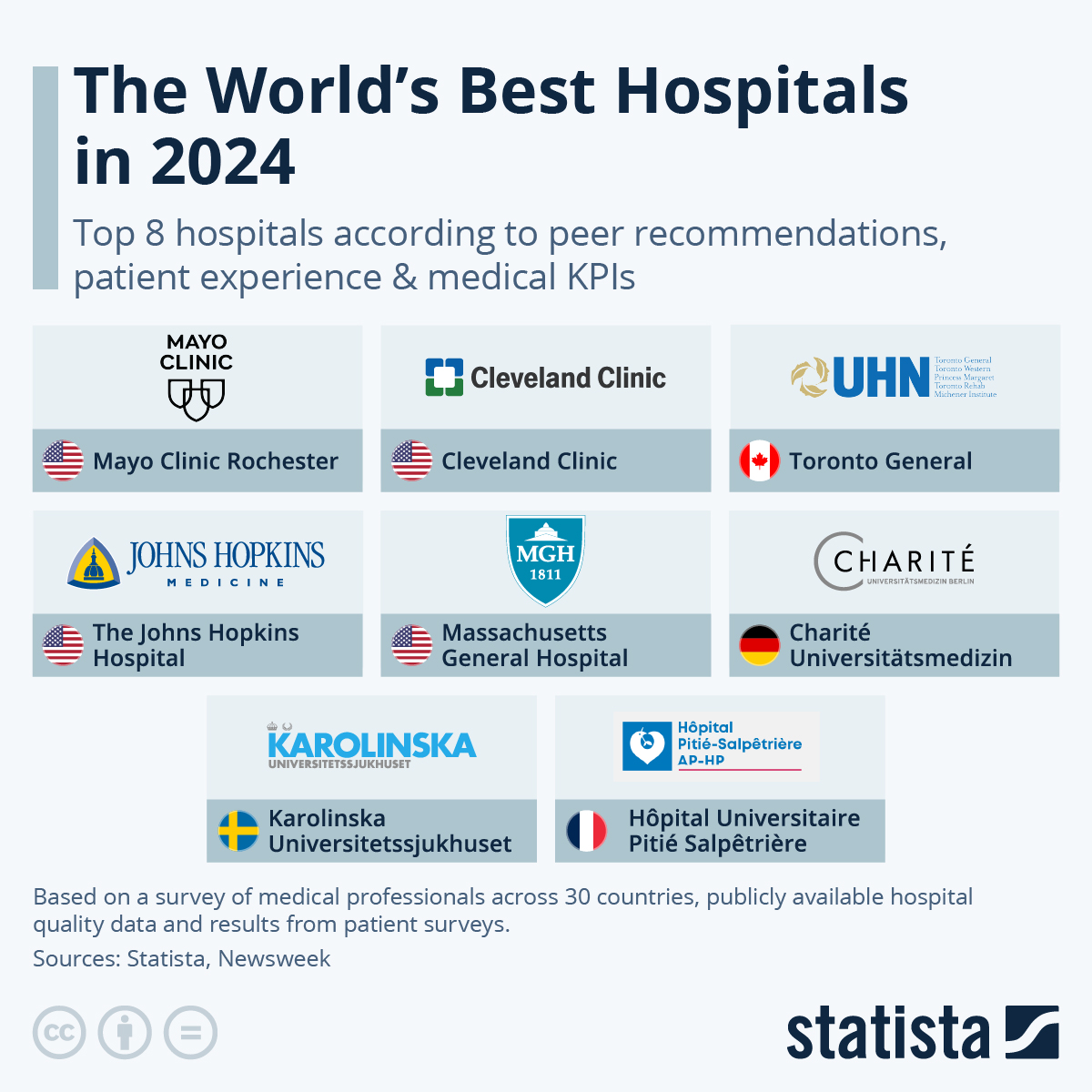
1. Criteria for Evaluating and Identifying Leading Medical Centers

When facing a complex diagnosis or planning a significant surgical procedure, finding the right healthcare facility is one of the most consequential choices you can make. Evaluating leading medical centers requires looking beyond glossy marketing brochures and flashy facility amenities to examine objective performance markers. Patients and their families need a structured approach to measure a hospital’s true capabilities, ensuring that the chosen institution aligns with high standards of clinical excellence and patient safety.
1.1 Analyzing Clinical Outcomes and Safety Standards
The core foundation of any top-tier healthcare institution rests on its day-to-day clinical performance. Knowing how to interpret raw medical data empowers you to look past hospital reputation and examine real patient recovery metrics.
1.1.1 Interpreting Hospital Report Cards and Mortality Data
Hospital report cards provide a transparent window into how successfully a facility treats specific conditions. When reviewing mortality data, it is crucial to look at risk-adjusted rates rather than raw numbers. Leading facilities often treat sicker, older, or higher-risk patients referred from smaller community hospitals. Risk adjustment levels the playing field, showing how well a medical center performs relative to expected outcomes for that specific patient demographic.
1.1.2 Understanding Complication Rates and Readmission Metrics
A successful medical procedure involves more than just surviving the initial intervention. Unplanned hospital readmissions within 30 days of discharge often signal gaps in follow-up care, post-surgical infections, or premature release. Additionally, keeping a close eye on complication rates for specific procedures—such as surgical site infections or accidental lacerations—gives you a clearer picture of day-to-day operational safety.
1.1.3 The Significance of Infection Prevention Protocols
Hospital-acquired infections represent one of the most critical safety threats in modern healthcare. Elite facilities maintain rigorous surveillance programs, transparently tracking rates of catheter-associated urinary tract infections, central line-associated bloodstream infections, and surgical site complications. Reviewing these safety records helps ensure that the environment you or your loved one enters prioritizes sterile practices and aggressive containment policies.
1.2 Verifying Accreditations and Nursing Excellence
Institutional oversight and frontline nursing staff form the pillars of safe, reliable daily care. Independent verification offers peace of mind that a facility operates under strict regulatory guidelines.
1.2.1 The Role of The Joint Commission and CMS Ratings
Independent accreditations serve as a reliable baseline for institutional quality. The Joint Commission evaluates hospitals against rigorous national standards for safety and quality of care. Similarly, the Centers for Medicare and Medicaid Services assigns star ratings to hospitals based on safety, mortality, readmission rates, and patient experience, allowing for straightforward comparisons between regional facilities.
1.2.2 Identifying Magnet Recognition for Nursing Care
Because nurses provide the vast majority of bedside care, nursing quality directly dictates patient outcomes. The American Nurses Credentialing Center awards Magnet Recognition to hospitals that demonstrate superior nursing processes, collaborative practice environments, and low nurse-to-patient ratios. Facilities holding this designation consistently report higher patient satisfaction and lower inpatient mortality rates.
1.2.3 Confirming Specialized Certifications for Complex Conditions
For specialized needs—such as comprehensive stroke care, advanced heart failure management, or level-one trauma services—look for disease-specific certifications. These endorsements prove that a medical center possesses dedicated multidisciplinary teams, specialized equipment, and protocols tailored specifically to high-acuity interventions. Reviewing medical excellence benchmarks can further guide your evaluation of specialized clinical programs.
1.3 Balancing Academic Expertise with Community Accessibility
Choosing between a sprawling academic institution and a local community hospital depends heavily on the complexity of the medical condition at hand.
1.3.1 Comparing Academic Medical Centers and Community Hospitals
Academic medical centers are typically affiliated with medical schools and spearhead cutting-edge clinical research. They excel at managing rare, complex, and multi-system diseases. Conversely, community hospitals often provide exceptional, highly personalized care for routine procedures, elective surgeries, and emergency stabilization while offering greater geographic convenience for local families.
1.3.2 Assessing Procedure Volume and Outcomes for High-Risk Surgeries
In medicine, practice truly builds perfection. Numerous clinical studies confirm an inverse relationship between hospital procedure volume and surgical complication rates. For high-risk operations like organ transplants, neurosurgery, or complex oncological resections, selecting a high-volume surgical center significantly improves survival rates and lowers the likelihood of adverse events.
1.3.3 Evaluating Advanced Technology and Robotic Surgical Capabilities
Innovation defines modern medicine, but not every hospital requires the same level of technological investment. Top-tier facilities house state-of-the-art diagnostic imaging, advanced radiotherapy units, and precision robotic surgical systems. These tools enable minimally invasive approaches, resulting in shorter hospital stays, less postoperative pain, and faster overall recovery times for eligible patients.
Practical Framework for Selecting and Accessing Top-Tier Facilities
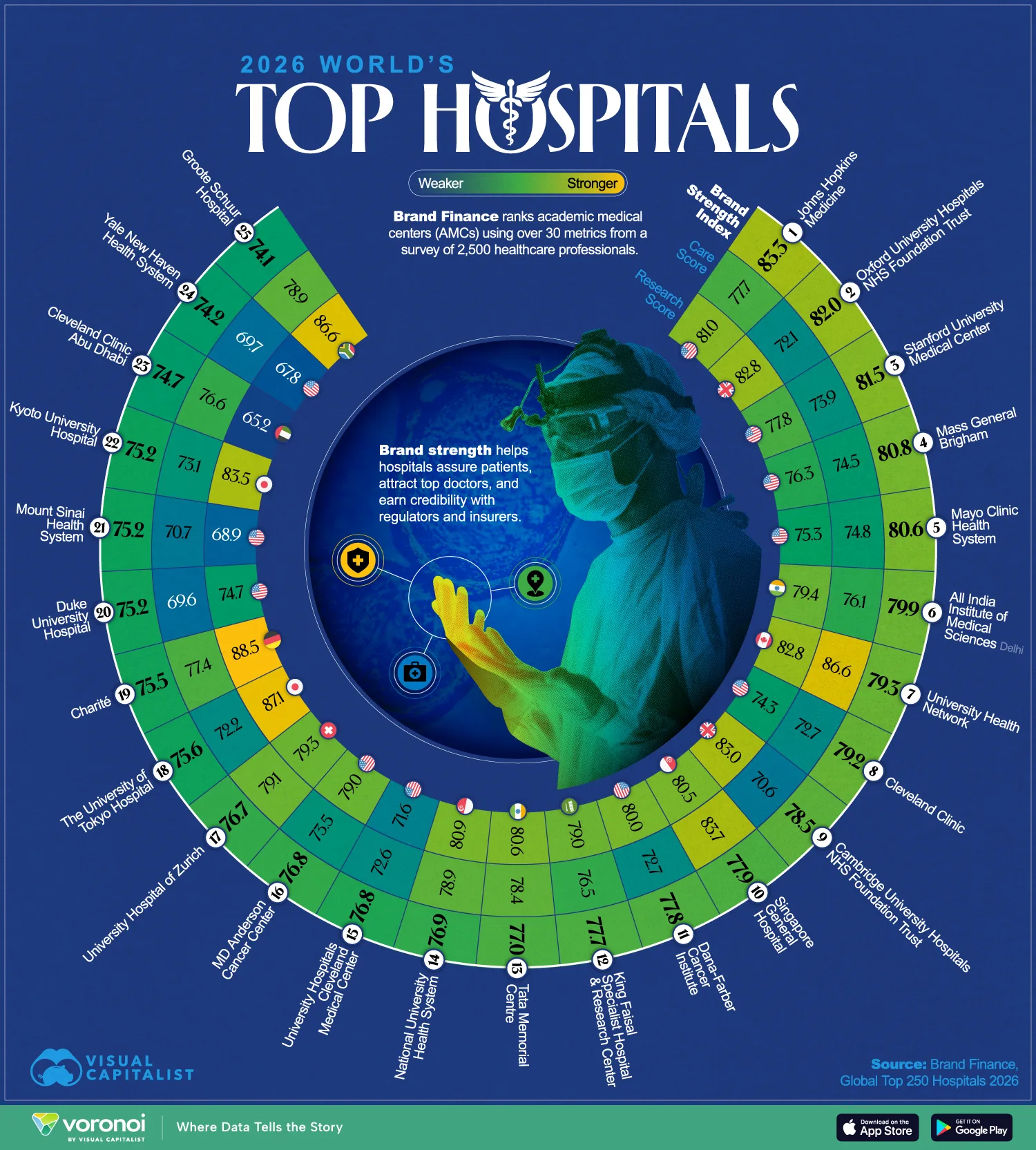
Navigating Insurance and Financial Transparency
Verifying In-Network Status to Minimize Out-of-Pocket Costs
When seeking care at leading medical centers, confirming your insurance coverage should be your first administrative step. Even if a hospital is world-renowned, receiving treatment out of network can result in overwhelming medical debt. Contact both your insurance provider and the hospital’s billing department directly to verify that your specific physician, the facility itself, and any upcoming specialized procedures are fully covered under your plan.
Utilizing Pricing Transparency Tools for Good-Faith Estimates
Federal regulations require hospitals to publish standard charges online, including negotiated rates with insurers and discounted cash prices. Utilizing these digital pricing transparency tools allows you to compare costs across accredited healthcare facilities ahead of time. Request a comprehensive, written good-faith estimate that outlines all anticipated fees to avoid unexpected bills following your procedure.
Distinguishing Between Facility Fees and Professional Charges
Medical billing often separates costs into two distinct categories: facility fees and professional charges. Facility fees cover the operational overhead of the hospital, including equipment, nursing staff, and room usage, while professional charges compensate your doctors and surgeons. Understanding this breakdown is vital when evaluating your potential financial responsibility for care at top-tier institutions.
Assessing Patient-Centered Care and Logistics
Interpreting HCAHPS Patient Satisfaction Surveys
Patient experience heavily reflects the culture of a hospital. Hospital Consumer Assessment of Healthcare Providers and Systems (HCAHPS) surveys provide standardized, publicly reported data regarding patient perspectives on communication with doctors, responsiveness of hospital staff, and pain management. Reviewing these scores helps you gauge whether a facility truly prioritizes patient-centered care alongside its clinical expertise.
Evaluating Electronic Health Record Integration and Communication
Seamless communication between your primary care physicians, specialists, and the medical center prevents dangerous gaps in your medical history. Top-tier facilities utilize advanced electronic health record systems that securely share test results, imaging, and treatment notes. This integration ensures your entire care team remains aligned, reducing the risk of redundant testing and medical errors.
Considering Accessibility Factors Including Location and Language Services
Logistical barriers can significantly impact your recovery and treatment adherence. When choosing a facility, evaluate practical factors such as geographic proximity, parking availability, public transportation access, and lodging options for family members. Additionally, ensure the hospital offers robust language interpretation services and culturally competent care to facilitate clear communication throughout your medical journey.
Developing a Strategy for Informed Healthcare Decision-Making
Engaging Primary Care Physicians and Specialists for Referrals
Your primary care doctor and existing specialists serve as valuable guides when navigating complex healthcare networks. They maintain professional insights regarding regional hospitals, specific department strengths, and individual physician reputations. Initiating an open dialogue about your care goals ensures you receive informed recommendations tailored to your specific diagnosis.
Researching Hospitals via Federal Quality Databases
Before finalizing your choice, consult objective federal databases and hospital comparison tools, such as Medicare’s Care Compare. These platforms aggregate safety scores, readmission rates, and patient outcomes into accessible formats. For broader insights on evaluating healthcare providers, you can explore resources on choosing the best healthcare providers to refine your evaluation process.
Preparing a Pre-Admission Checklist for Consultations
Maximizing the value of your initial consultation requires careful preparation. Compile a comprehensive pre-admission checklist that includes your complete medical history, a list of current medications, relevant imaging files, and a targeted set of questions regarding your proposed treatment plan, recovery timeline, and expected outcomes.
Navigating the modern healthcare landscape requires a balanced approach that looks beyond marketing and reputation to focus on hard data. When evaluating leading medical centers, your decisions should always be anchored in objective measurements such as clinical treatment outcomes, verified accreditations, and patient safety records. By prioritizing these empirical benchmarks alongside your personal care needs, you can secure the highest standard of treatment for yourself and your family.
Ultimately, making informed healthcare choices is an ongoing process of research, consultation, and advocacy. Whether you are managing a chronic condition or preparing for a complex surgical procedure, taking the time to review hospital report cards, verify insurance networks, and consult with trusted professionals will empower your health journey. To explore more strategies for assessing quality care, read our guide on medical service quality. Armed with the right framework, you can approach any medical decision with confidence, clarity, and peace of mind.