

Navigating the complex U.S. healthcare system when sudden symptoms or chronic flare-ups occur can feel overwhelming, making reliable medical triage guidance an essential tool for every patient. Whether you are staring at a midnight fever, debating whether an injury warrants a trip to the local clinic, or trying to understand your telehealth patient journey, knowing how to evaluate your options accurately can prevent unnecessary emergency room visits and reduce financial stress. Effective triage bridges the gap between uncertainty and appropriate medical action.
In this comprehensive guide, you will learn how to systematically assess symptom severity, navigate different levels of care—from primary providers to emergency departments—and prepare both logistically and financially for your next medical encounter. By mastering these decision-making frameworks, you can take control of your health outcomes with confidence and clarity.
1. Medical Triage Guidance: Navigating the U.S. Healthcare Spectrum
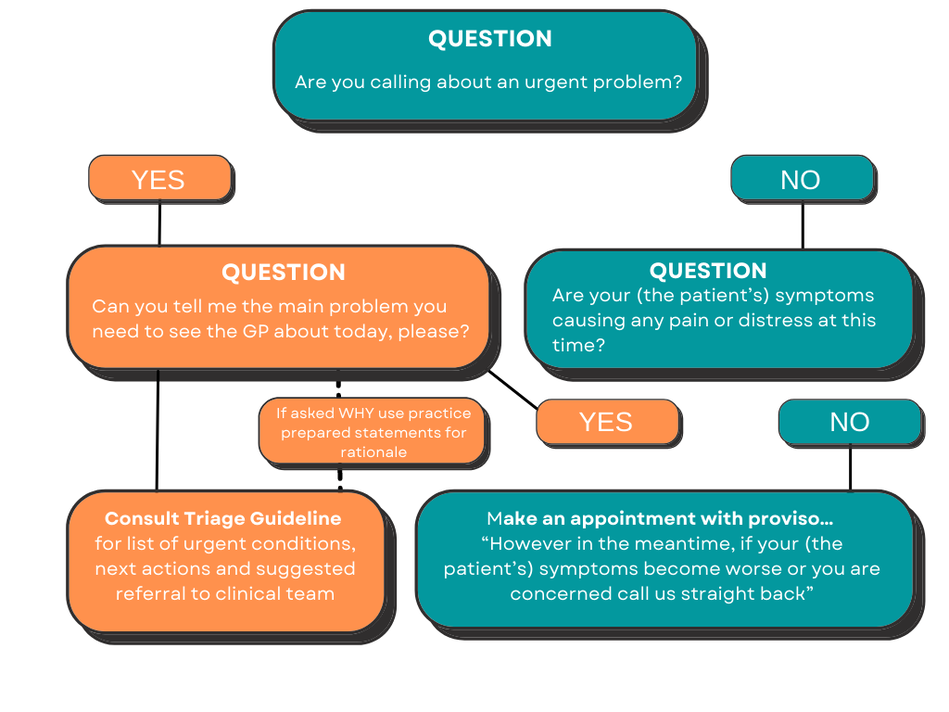
Navigating the United States healthcare system can feel overwhelming, especially when you or a loved one are dealing with sudden illness or injury. Effective medical triage guidance empowers patients to make informed decisions about where to seek care, ensuring you receive the right treatment at the right time without unnecessary financial strain or delays. Understanding how healthcare facilities categorize and prioritize medical needs is the first step toward mastering your personal care pathway.
1.1 Assessing Care Options Based on Symptom Severity
Matching your symptoms to the appropriate level of care prevents overcrowded waiting rooms and ensures fast treatment. The U.S. healthcare continuum offers distinct entry points depending on the urgency and complexity of your condition.
1.1.1 When to Choose Telehealth and Primary Care Providers
For non-emergency conditions such as mild cold symptoms, routine prescription refills, seasonal allergies, or minor rashes, virtual appointments and primary care clinics are your best options. The the telehealth patient journey offers a streamlined approach for quick evaluations from home, saving you travel time while connecting you directly with a licensed practitioner who can manage routine ailments or coordinate specialist referrals.
1.1.2 Identifying Appropriate Symptoms for Urgent Care Centers
Urgent care centers bridge the gap between primary care and the emergency room. They are designed for acute but non-life-threatening issues that require prompt attention within a day. Appropriate symptoms include moderate sprains, small lacerations needing stitches, persistent vomiting, earaches, and mild asthma flare-ups.
1.1.3 Recognizing Life-Threatening Indicators for Emergency Departments
Emergency departments (EDs) are strictly reserved for critical, life-threatening conditions where immediate intervention is required to prevent permanent disability or death. You should call 911 or head to the nearest ED immediately if you experience chest pain, sudden weakness or numbness on one side of the body, severe shortness of breath, uncontrolled bleeding, major head trauma, or sudden confusion.
1.2 Understanding the Emergency Severity Index and Hospital Protocols
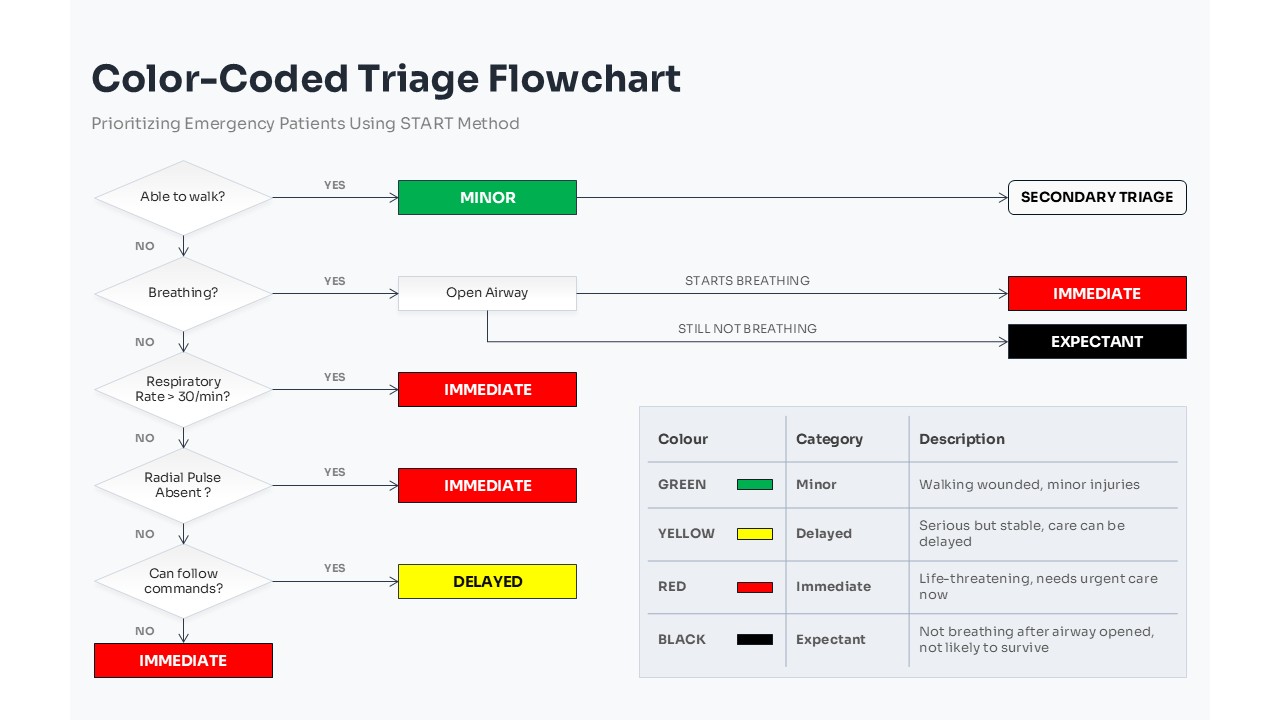
When you arrive at a hospital emergency department, healthcare personnel utilize the Emergency Severity Index (ESI) to evaluate patients upon entry. This five-level triage tool categorizes individuals from level 1 (most critical) to level 5 (least urgent based on resource needs).
1.2.1 Why Emergency Rooms Prioritize Acuity Over Arrival Time
It is a common point of frustration for patients to watch someone who arrived later than them get taken back to a treatment room first. However, emergency rooms operate strictly on clinical acuity rather than a first-come, first-served basis. A patient suffering a suspected myocardial infarction (heart attack) will always be seen before someone with a fractured wrist, regardless of who walked through the doors first.
1.2.2 Deciphering the Role of Triage Nurses and Vital Sign Assessment
During the initial intake, a specialized triage nurse rapidly assesses your presenting complaint, measures vital signs including blood pressure, heart rate, oxygen saturation, and temperature, and assigns an ESI score. Honest, precise communication during this quick evaluation is critical to ensure accurate patient prioritization.
1.3 Financial and Logistical Preparation for Medical Encounters
Being prepared logistically and financially can dramatically reduce the stress of any medical encounter. Knowing how your insurance network operates protects you from unexpected costs.
1.3.1 Navigating Insurance Networks to Prevent Surprise Billing
Before seeking non-emergent care, always verify whether a facility or physician participates in your health insurance network. Visiting an in-network urgent care center or primary doctor prevents out-of-pocket surprise billing. Under federal regulations, true emergency services are generally protected from balance billing, but understanding your plan copays and deductibles ahead of time remains vital.
1.3.2 Essential Documentation and Records to Carry During Visits
Always bring a government-issued photo ID, your current health insurance card, a complete list of your current medications and dosages, and a written summary of past medical conditions or allergies. Having these details ready accelerates the intake process and ensures safe clinical decision-making.
2. Advanced Self-Triage Strategies and Specialized Care Considerations
When unexpected health concerns arise outside regular clinic hours, having a systematic approach to evaluating your symptoms at home can prevent unnecessary emergency room visits while ensuring you do not delay critical treatment. Providing effective medical triage guidance begins with breaking down physical distress into manageable, objective categories that help you make calm decisions under pressure.
2.1 Developing an Objective Framework for At-Home Evaluation
Creating a structured routine for evaluating new or worsening symptoms helps remove emotional panic from the equation. By utilizing established clinical models right from your living room, you can establish a baseline for whether your condition requires immediate professional intervention or simply rest and monitoring.
2.1.1 Applying the Red, Yellow, and Green Symptom Categorization
A simple triage framework divides symptoms into three distinct color-coded tiers:
- Green: Mild discomfort, low-grade fevers responsive to medication, minor cuts, or seasonal allergy flare-ups that can be safely managed at home or via a scheduled appointment.
- Yellow: Moderate, persistent symptoms such as worsening coughs, localized pain, or mild dehydration that benefit from a prompt telehealth patient journey to consult a clinician before conditions escalate.
- Red: Sudden, severe indicators like chest pressure, severe shortness of breath, sudden neurological deficits, or uncontrolled bleeding that require an immediate call to 911 or a trip to the nearest emergency room.
2.1.2 Utilizing Nurse Advice Lines and Insurance-Linked Resources
If you find yourself stuck in the yellow zone, unsure whether to visit urgent care or wait for your primary provider, look to your health insurance card. Most major providers feature a 24/7 nurse advice line on the back. These registered nurses use validated clinical protocols to offer real-time health insurance navigation support and help you decide the most cost-effective, appropriate care setting.
2.1.3 Limitations of Digital Symptom Checkers and Avoiding Misdiagnosis
While tech-enabled tools offer quick insights, they are not a substitute for professional clinical judgment. Algorithms cannot perform physical examinations, read subtle behavioral cues, or account for complex medical histories. Always treat online assessments as exploratory prompts rather than definitive diagnoses.
2.2 Triage for Pediatric, Geriatric, and Chronic Care Needs
Vulnerable populations require specialized triage frameworks because their bodies often react to illness differently than healthy adults, making standard symptom evaluation inadequate.
2.2.1 Evaluating Pediatric Symptoms Such as Fever and Dehydration
Children—particularly infants—can decline rapidly. For babies under three months old, any rectal fever over 100.4 degrees Fahrenheit warrants immediate emergency evaluation. In older children, focus less on the exact thermometer reading and more on behavior, alertness, and fluid intake. Fewer wet diapers, dry lips, and lethargy are critical red flags.
2.2.2 Recognizing Atypical Presentations of Serious Illness in Seniors
Older adults frequently display atypical symptoms during acute health crises. For instance, a senior suffering a heart attack might not feel crushing chest pain; instead, they may exhibit sudden confusion, unexplained fatigue, or dizziness. Similarly, a urinary tract infection can manifest as acute delirium rather than localized discomfort.
2.2.3 Coordinating Care with Specialists During Chronic Flare-ups
For individuals dealing with long-term health concerns, triage requires factoring in baseline conditions. Implementing proper chronic condition management advice means contacting your established specialist team early during a flare-up to adjust medications before an emergency occurs.
2.3 Frequently Asked Questions Regarding Medical Decision-Making
Navigating everyday healthcare choices often brings up common dilemmas regarding overlapping symptoms, pharmacy rules, and billing surprises.
2.3.1 Distinguishing Between Gastrointestinal Issues and Cardiac Events
Heart attacks and severe acid reflux, gastritis, or gallbladder attacks can cause remarkably similar upper abdominal or chest discomfort. If pain radiates to the jaw, neck, or left arm, is accompanied by cold sweats and shortness of breath, or worsens with physical exertion rather than eating, treat it as a cardiac emergency immediately.
2.3.2 Regulatory Guidelines for Urgent Care Prescription Management
Urgent care clinics are designed for acute, short-term treatment. While they can issue bridge prescriptions for essential daily medications if you run out while traveling, they generally cannot manage long-term chronic controlled substances or replace comprehensive primary care oversight.
2.3.3 Resolving Insurance Disputes Following Emergency Care
If you receive an unexpected bill after an emergency visit, request an itemized statement and review it against your insurance plan’s emergency services guidelines. Under the federal No Surprises Act, emergency services must be covered at in-network rates, protecting patients from balance billing during true medical emergencies.
Navigating the complexities of the U.S. healthcare spectrum requires a proactive approach, clear clinical understanding, and careful logistical preparation. Armed with reliable medical triage guidance, you can accurately assess symptom severity, choose the appropriate level of care—ranging from virtual visits to the emergency department—and avoid unexpected financial hurdles. By understanding how healthcare facilities prioritize medical need and leveraging resources like digital symptom assessment tools, patients can make faster, safer decisions for themselves and their families.
Ultimately, taking charge of your health journey means balancing timely clinical evaluation with practical preparation. Keep your insurance details accessible, familiarize yourself with your provider network, and establish a clear communication routine for ongoing conditions. When you know where to go and what to expect, you reduce stress, secure efficient treatment, and foster better long-term health outcomes.