

For generations, modern medicine has operated primarily on a reactive model: patients visit a clinician only after symptoms appear, a crisis unfolds, or a disease begins to progress. Today, a significant shift toward predictive health is reshaping how individuals approach their long-term vitality. At the forefront of this evolution is preventative wellness genetic testing, a powerful tool that moves beyond general wellness advice to give you a clear-eyed look at your unique biological blueprint.
By examining your DNA for hereditary markers, susceptibilities, and metabolic traits, modern genomics allows you to transition from guessing about your health to making informed, proactive decisions. Whether you are looking to optimize your diet, better understand your cardiovascular predispositions, or build a long-term preventative health roadmap planning strategy with a medical professional, unlocking your genetic data offers unprecedented clarity. In this article, you will learn how to navigate clinical genetic assessments, interpret complex data safely, and translate your findings into a sustainable plan for lifelong wellness.
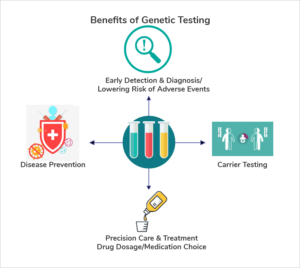
1. Understanding the Science and Clinical Utility of Preventative Wellness Genetic Testing
1.1 Core Principles of Proactive Genomic Screening
1.1.1 Defining the transition from reactive medicine to predictive health strategies
For decades, standard healthcare operated on a fundamentally reactive model: a patient developed symptoms, sought medical attention, and physicians treated the resulting condition. Today, preventative wellness genetic testing marks a paradigm shift toward predictive and proactive healthcare. By decoding an individual’s unique biological blueprint before disease manifests, clinicians can identify hidden vulnerabilities. This enables early intervention, transforming healthcare from a system of crisis management into a targeted strategy focused on longevity and lifelong wellness.
1.1.2 Distinguishing between diagnostic testing for symptoms and preventative wellness screening
It is clinically essential to differentiate between diagnostic genetic tests and wellness-oriented genomic screening. Diagnostic testing is typically ordered by a physician to confirm or rule out a suspected genetic disorder in a patient already exhibiting symptoms. Conversely, preventative wellness screening evaluates healthy individuals to uncover inherited predispositions. This data supports personalized health guidance, helping patients optimize their daily habits long before any clinical pathology develops.
1.1.3 Explaining how modern DNA sequencing identifies hereditary disease markers
Modern laboratories utilize advanced high-throughput DNA sequencing technologies to scan specific regions of the human genome. By analyzing single nucleotide polymorphisms and larger structural variations, technicians can pinpoint hereditary disease markers. This intricate evaluation relies on robust preventative health roadmap planning to ensure raw genetic sequences are translated into meaningful, actionable insights for the patient and their primary care provider.
1.2 The Clinical Scope of Preventative Genetic Insights
1.2.1 Evaluating hereditary cancer predispositions and high-risk syndromes
Proactive genomic screening allows individuals to assess their lifetime risk for specific hereditary cancers, such as those linked to BRCA1 and BRCA2 mutations. Identifying these high-risk syndromes early empowers patients and oncologists to initiate enhanced surveillance protocols, including earlier mammograms, breast MRIs, or prophylactic measures, significantly improving long-term survival outcomes.
1.2.2 Mapping cardiovascular risks and genetic cholesterol markers
Cardiovascular disease remains a leading cause of mortality, yet many genetic risk factors remain hidden during routine blood panels. Genetic testing can uncover inherited tendencies for familial hypercholesterolemia or structural heart abnormalities, facilitating precise lifestyle disease risk stratification so individuals can modify their cardiovascular care plans proactively.
1.2.3 Utilizing pharmacogenomics to optimize medication efficacy and safety
Pharmacogenomics examines how an individual’s genetic makeup influences their body’s response to pharmaceuticals. By understanding these drug-gene interactions, physicians can bypass the trial-and-error approach to prescribing medications for conditions like depression, chronic pain, or hypertension, thereby avoiding adverse drug reactions and ensuring optimal therapeutic dosages from the start.
1.2.4 Exploring nutrigenomics and its role in personalized metabolic health
Nutrigenomics bridges the gap between genetics, nutrition, and metabolic wellness. This field investigates how specific dietary nutrients interact with our genes. The resulting data helps dietitians and physicians design custom nutritional interventions that align with an individual’s unique metabolic rate, vitamin absorption efficiency, and macronutrient processing capabilities.
1.3 Managing Privacy, Ethics, and Data Security
1.3.1 Examining the Genetic Information Nondiscrimination Act and its actual limitations
While the Genetic Information Nondiscrimination Act provides vital federal protections against health insurance and employment discrimination based on genetic data, patients must understand its boundaries. GINA does not cover life insurance, disability insurance, or long-term care policies, meaning insurers in those specific sectors may legally request access to medical records containing genetic information.
1.3.2 Identifying gaps in insurance protections for life, disability, and long-term care
Because statutory gaps exist in privacy legislation, consumers must carefully evaluate how and where they store their genomic data. Engaging with third-party testing companies requires a thorough review of privacy policies, particularly regarding whether raw genetic data is anonymized, stored securely, or shared with pharmaceutical partners for research purposes.
1.3.3 Assessing the risks and benefits of genetic data sharing policies
Participating in genomic databases can accelerate medical research and help scientists discover novel treatments for rare conditions. However, patients must weigh these altruistic benefits against potential privacy vulnerabilities. Partnering with reputable, clinically accredited laboratories ensures that biometric health data interpretation adheres to stringent medical confidentiality standards and robust cybersecurity protocols.
2. Executing Your Personal Health Roadmap: From Data Collection to Clinical Action
2.1 Navigating the Process of Clinical Genetic Assessment
Embarking on preventative wellness genetic testing requires a structured approach to ensure your data is both accurate and medically useful. The process typically begins with a thorough family health history review, mapping out three generations of chronic conditions, early-onset illnesses, and inherited traits. This foundational step helps clinicians determine which targeted panels will yield the highest clinical value for your specific genetic makeup.
When selecting a testing modality, you will generally choose between direct-to-consumer kits and physician-ordered clinical panels. While consumer kits offer broad lifestyle insights, physician-ordered panels utilize higher-coverage sequencing and adhere to strict laboratory standards. Understanding laboratory accuracy and the clinical validation process ensures that the raw data you receive has been processed through certified facilities capable of delivering reliable, actionable insights.
2.2 Interpreting Data to Drive Health Outcomes
Once your laboratory results arrive, decoding complex terminology such as pathogenic variants and variants of uncertain significance (VUS) becomes essential. A pathogenic variant indicates an established disease risk, whereas a VUS simply means the genetic change is currently unclassified by medical science. Because genomic data is nuanced, the critical necessity of professional genetic counseling cannot be overstated; trained counselors translate raw laboratory findings into a clear format.
Processing unexpected genetic risk information can sometimes trigger emotional distress or health anxiety. A qualified clinical expert helps contextualize these probabilities, shifting the perspective from deterministic fear to proactive empowerment. By focusing on actionable risk management rather than fixed outcomes, patients can approach their health data with clarity and confidence.
2.3 Translating Genetic Findings Into Long-Term Lifestyle Changes
The true power of genetic insights lies in how they shape your daily habits and medical oversight. By creating tailored clinical screening schedules based on your specific genomic risks, you can catch potential health shifts in their earliest, most treatable stages. This personalized approach replaces generalized annual checkups with a dynamic, highly targeted surveillance strategy designed around your biology.
Beyond clinical screenings, your results can inform precise lifestyle modifications and targeted supplementation strategies to optimize your metabolic and cellular health. Incorporating professional guidance ensures that your daily regimen aligns with what your body needs for optimal preventative health roadmap planning. Ultimately, establishing a multi-disciplinary care team—including primary care physicians, genetic counselors, and specialized clinicians—guarantees ongoing genomic monitoring as medical science continues to evolve.
Embracing preventative wellness genetic testing marks a profound shift from reacting to illness after it strikes to proactively steering your long-term vitality. By decoding the blueprints inherited from your ancestors, you gain access to unprecedented insights that empower you to anticipate health hurdles rather than simply endure them. Yet, raw data alone is merely a collection of biological numbers; true empowerment stems from thoughtful analysis and structured execution.
As you move forward, remember that your genes are not an absolute destiny. They are tendencies, probabilities, and clues that inform how you can optimize your nutrition, fine-tune your screening schedules, and adopt targeted lifestyle habits. Partnering with qualified medical professionals ensures that your data is handled with precision, protecting you from unnecessary anxiety while maximizing clinical benefits.
Taking control of your wellness journey requires a structured plan and trusted clinical oversight. To learn more about building a tailored strategy for your longevity, explore our comprehensive preventative health roadmap planning to turn genetic insights into lifelong well-being.