

Opening a medical bill and finding a balance that feels shockingly high is an experience that unfortunately many U.S. patients know all too well. Navigating the maze of medical codes, insurance denials, and unexpected charges can feel overwhelming, especially when you are trying to recover from an illness or injury. However, mastering the process of clinic billing dispute resolution empowers you to take control of your financial health and challenge inaccuracies with confidence.
Whether you are dealing with a simple administrative error or a complex coding discrepancy, understanding your rights as a consumer is the first step toward a fair resolution. Increased industry-wide movements toward healthcare facility transparency have given patients more tools than ever to examine itemized charges and question unexpected fees. In this guide, you will learn how to identify common billing mistakes, navigate federal patient protections like the No Surprises Act, and utilize formal grievance pathways to correct unfair charges without damaging your financial standing.
1. Mastering the Clinic Billing Dispute Resolution Process
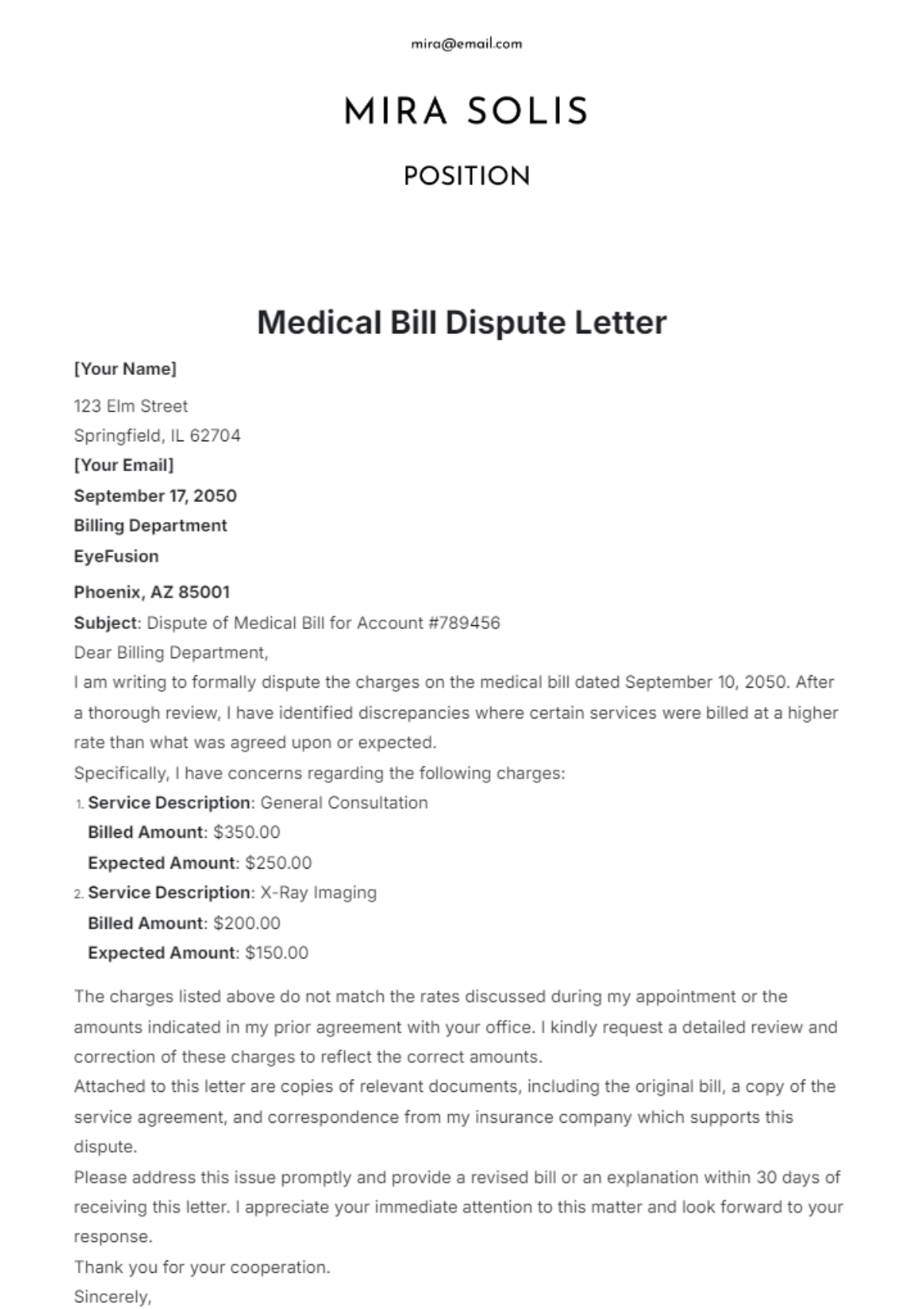
Navigating financial statements from outpatient offices and medical practices often feels overwhelming. Successfully executing a clinic billing dispute resolution requires a structured approach to decoding charges, leveraging consumer protection laws, and maintaining meticulous paperwork.
1.1 Identifying and Verifying Common Medical Billing Errors
1.1.1 Recognizing duplicate charges and unbundled service codes
Medical billing departments manage massive volumes of data daily, which can lead to administrative oversights. Patients frequently encounter duplicate charges where a single routine lab test or injection is billed twice under slightly different descriptors. Additionally, unbundled service codes occur when a provider bills separate procedural codes for individual steps of a treatment that should technically be grouped under one comprehensive code. Carefully reviewing every line item prevents you from overpaying for fragmented or repeated procedures.
1.1.2 Spotting insurance application errors and incorrect network status
Administrative mistakes often stem from how your health plan processes claims. A simple typographical error in your member ID number or date of birth can cause an insurer to reject a claim entirely, shifting the financial responsibility back to you. Furthermore, verify whether your provider’s network status was handled correctly. Sometimes, in-network practitioners are miscoded as out-of-network, drastically inflating your patient liability portion.
1.1.3 Comparing summary bills against itemized statements
Never rely solely on a summary statement, which typically provides only a broad balance due without contextual details. Request a comprehensive, itemized bill for every healthcare encounter. By comparing this detailed breakdown against your personal calendar and discharge paperwork, you can easily spot phantom charges, unreceived supplies, or medication fees that do not align with your actual clinical experience.
1.2 Federal Protections and Patient Legal Rights
1.2.1 Understanding the No Surprises Act and balance billing prohibitions
Federal legislation has fundamentally transformed patient financial rights. Under the No Surprises Act, patients are largely shielded from unexpected balance billing when receiving emergency care, air ambulance services, or non-emergency treatments from out-of-network providers at in-network facilities. Clinics are legally prohibited from charging patients more than in-network cost-sharing amounts for these protected services.
1.2.2 Navigating Good Faith Estimate requirements for self-pay patients
If you are uninsured or choose to self-pay for scheduled medical services, clinics are legally obligated to provide a Good Faith Estimate (GFE) detailing expected charges prior to your appointment. If you receive a final bill that substantially exceeds your GFE—defined as a difference of 400 dollars or more—you possess the legal right to challenge those excess charges through federal dispute resolution channels.
1.2.3 Asserting your right to medical record access and billing transparency
Transparency is the cornerstone of fair healthcare administration. Patients retain the absolute right to inspect and obtain copies of their medical records and billing archives. Greater healthcare facility transparency empowers individuals to cross-reference physician notes against billed CPT codes to ensure clinical accuracy before settling any financial disputes.
1.3 Essential Documentation for a Successful Dispute
1.3.1 Organizing Explanation of Benefits (EOB) and original bills
An organized paper or digital trail forms the backbone of any successful challenge. Keep your original clinic invoice side-by-side with the corresponding Explanation of Benefits (EOB) document issued by your insurance provider. The EOB outlines what the insurance paid, what was applied to your deductible, and what the clinic is legitimately permitted to bill you.
1.3.2 Establishing a communication log for all staff interactions
Whenever you speak with a clinic billing representative, insurance agent, or patient advocate, maintain a detailed communication log. Record the date, time, representative name, employee ID number, and a concise summary of what was discussed. If a representative promises a fee reduction or claims a mistake will be rectified, written notes prevent miscommunication later.
1.3.3 Maintaining proof of prior cost estimates and payment agreements
Always preserve physical or digital copies of written cost estimates, promotional payment terms, or financial hardship agreements signed by clinic representatives. If an administrative dispute arises regarding a promised discount or agreed-upon payment structure, presenting this documentation halts arbitrary collection efforts and holds the facility accountable to its original commitments.
2. Strategic Steps for Escalation and Financial Management
2.1 Executing the Formal Internal and External Dispute Resolution
When informal conversations with a clinic’s billing department stall, you need to transition to structured escalation pathways. Initiating contact for a formal review requires submitting a written dispute via certified mail or through the provider’s secure patient portal. Clearly state the exact reasons for the disagreement, referencing your itemized statements and explanation of benefits. Request a formal freeze on collections while the account undergoes internal auditing.
If the internal review fails to resolve the discrepancy, uninsured and self-pay patients can leverage the federal Patient-Provider Dispute Resolution (PPDR) process. This independent dispute resolution mechanism applies when a bill exceeds a Good Faith Estimate by $400 or more. For insured individuals facing persistent roadblocks, filing formal complaints through the clinic grievance redressal process and escalating matters to your state insurance commissioner or attorney general’s office creates a legally mandated oversight trail that healthcare providers must address.
2.2 Managing Financial Alternatives and Credit Impacts
Even when medical bills are entirely valid, navigating the financial aftermath requires proactive management to protect your long-term stability. Begin by requesting the provider’s financial assistance policy. Under federal and state guidelines, nonprofit and many for-profit medical facilities must offer charity care, sliding-scale fees, or hardship discounts for patients who meet specific household income thresholds.
If you do not qualify for financial aid, negotiate directly with the billing office for structured payment plans or prompt-pay reductions, ensuring any agreed-upon terms are documented in writing before you submit funds. Throughout any active billing dispute, monitor your credit reports closely. Under current credit reporting rules, paid medical debt does not appear on credit reports, and unpaid medical debt generally carries a one-year grace period before it can be reported, giving you adequate time to challenge inaccuracies without devastating your credit score.
Navigating the complexities of medical bills can often feel overwhelming, but mastering clinic billing dispute resolution empowers you to take control of your financial health. By systematically verifying itemized statements, understanding your federal protections, and maintaining detailed communication logs, you can successfully challenge inaccuracies and correct unexpected charges. Remember that you do not have to navigate administrative hurdles alone; utilizing structured pathways like the formal Clinic Grievance Redressal Process: A Patient’s Guide ensures your concerns receive proper attention and review.
Ultimately, achieving financial fairness in healthcare requires a proactive approach, patience, and clear documentation. Whether you are negotiating a valid debt, applying for hardship assistance, or escalating an unresolved dispute to regulatory agencies, staying informed is your best defense. By advocating for yourself and leveraging the rights designed to protect patients, you can resolve billing discrepancies, protect your credit score, and secure peace of mind as you focus on what matters most—your health and well-being.