

Navigating virtual healthcare has quickly become a standard part of modern medicine, yet the success of a virtual visit often hinges on more than just medical expertise. Behind every smooth virtual consultation lies a complex digital framework, making telehealth interface usability ratings a critical benchmark for both patients and healthcare providers. When a digital portal is difficult to navigate, it introduces unnecessary frustration, delays critical care, and can even compromise the overall quality of communication between doctor and patient.
Understanding how these ratings are determined helps individuals evaluate their options and choose platforms that offer seamless, stress-free virtual care. Whether you are looking at remote check-ins or trying to better understand healthcare facility transparency, recognizing what makes a digital interface effective is essential. In the following sections, we will explore the core quality metrics behind platform performance, the measurement frameworks used to score user experience, and the practical steps developers take to make virtual healthcare accessible to everyone.
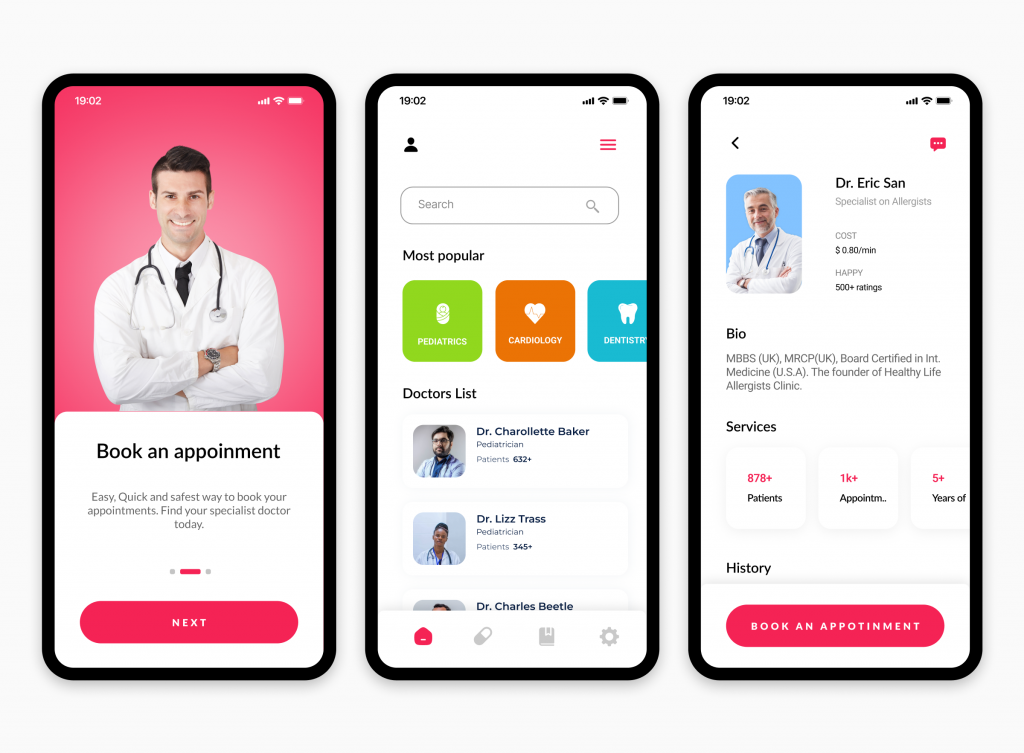
1. Telehealth Interface Usability Ratings and Core Quality Metrics
1.1 The Strategic Importance of Usability in Digital Healthcare
The layout and functionality of a virtual care portal do more than just facilitate a video call; they directly shape the entire virtual care encounter. When evaluating telehealth interface usability ratings, healthcare organizations look closely at how smooth digital interactions influence overall treatment adherence. An intuitive user interface reduces cognitive load for patients, allowing them to focus on communicating symptoms rather than troubleshooting technology.
Delivering modern digital healthcare requires balancing rapid technological innovation with health equity and accessibility. If a platform is too complex, vulnerable populations may struggle to connect with their clinicians, widening the digital divide. Furthermore, platforms must strictly adhere to regulatory frameworks like the Health Insurance Portability and Accountability Act (HIPAA) for data privacy and the Americans with Disabilities Act (ADA) for digital accessibility, ensuring that security measures never compromise ease of use.
1.2 Standardized Measurement Frameworks for Telehealth
Quantifying the user experience requires objective, standardized measurement frameworks. The System Usability Scale (SUS) is frequently applied to virtual care portals, giving developers a reliable way to score subjective user satisfaction on a standardized 100-point scale. By pairing SUS data with hard analytics like Task Completion Rate (TCR), teams can pinpoint exactly where users stumble during navigation.
Minimizing user friction during initial login and scheduling workflows is vital for reducing no-show rates. When multi-step verification hurdles or confusing calendar interfaces frustrate patients before their appointment even begins, the resulting drop in engagement negatively impacts healthcare provider communication scores, making streamlined digital pathways an absolute necessity for modern clinics.
1.3 User-Centered Design and the Technology Acceptance Model
The Technology Acceptance Model provides deep insight into why patients adopt or abandon virtual care tools, centering heavily on Perceived Usefulness (PU) and Perceived Ease of Use (PEOU). If a platform lacks clear value or feels unnecessarily difficult to operate, patient engagement plummets. Designers must specifically account for older adult populations and individuals with varying degrees of digital literacy to ensure virtual care remains universally approachable.
To achieve this, platforms routinely implement Web Content Accessibility Guidelines (WCAG 2.1) to accommodate diverse physical impairments, such as low vision or motor difficulties. Incorporating features like adjustable font scaling, high-contrast display modes, and screen-reader compatibility ensures that every patient can navigate their health journey without digital barriers.
2. Optimizing Telehealth Interface Usability Ratings for Platform Performance
2.1 Essential KPIs and Technical Performance Indicators
Delivering a reliable virtual care experience requires close tracking of both quantitative and qualitative performance data. On the technical side, monitoring audio-video latency, packet loss, and platform uptime is non-negotiable. Even minor transmission delays can disrupt clinical flow and degrade overall telehealth interface usability ratings.
Simultaneously, healthcare organizations must monitor qualitative metrics such as Net Promoter Scores (NPS), Customer Satisfaction (CSAT), and provider burnout rates. When software is slow or difficult to navigate, physicians experience heightened cognitive fatigue. Stable connections and intuitive layouts directly safeguard both clinician well-being and patient trust.
2.2 Interface Elements and Design Best Practices
An effective telehealth layout minimizes user friction during critical moments of a visit. Designers should optimize video consultation controls—such as mute, camera toggle, and chat features—so patients can locate and activate them instantly. High-contrast text, scalable typography, and clear mobile iconography ensure that older adults or individuals with visual impairments can interact with the platform comfortably.
Furthermore, streamlining access models is essential for reducing multi-step verification hurdles. When patients face endless login screens or confusing security prompts, session abandonment spikes before the consultation even begins.
2.3 Implementation Frameworks for Continuous Improvement
Achieving and maintaining high usability requires ongoing evaluation rather than a one-time launch. Product teams should conduct regular heuristic evaluations and clinical usability testing with actual patients and providers. Gathering direct input through structured post-visit feedback loops helps identify hidden navigation roadblocks and informs iterative software updates.
Maintaining cross-platform consistency across iOS, Android, and web browsers guarantees a dependable experience regardless of the user’s chosen device. For broader insights into optimizing digital care paths, review this guide on healthcare facility transparency.
Evaluating telehealth interface usability ratings goes far beyond measuring technical performance; it directly shapes the quality of modern patient care. By focusing on streamlined workflows, robust data security, and intuitive design, healthcare organizations can foster better digital connections and drive measurable clinical improvements. As virtual care continues to evolve, prioritizing user-centered design ensures that digital tools remain accessible and effective for every demographic.
Whether you are comparing virtual options or reviewing overall clinical standards, understanding how digital platforms impact your care journey is essential. To make the most of your virtual appointments and ensure you are receiving the highest standard of support, explore our guide on patient clinic experiences and how to evaluate quality care. Ultimately, investing in thoughtful digital infrastructure ensures that telehealth remains a reliable, empowering extension of the traditional healthcare landscape.