

Navigating the modern U.S. healthcare landscape requires a steadfast commitment to continuous improvement, ensuring that patient care constantly evolves to meet rising clinical standards. At the heart of this operational evolution is a robust clinical service evaluation, a systematic process that healthcare organizations use to assess, measure, and refine their clinical workflows. Rather than serving as mere bureaucratic oversight, these evaluations directly influence medical service quality by identifying care gaps, streamlining multidisciplinary interventions, and aligning practice workflows with evidence-based medicine.
For healthcare administrators, clinicians, and quality officers alike, understanding how to effectively audit and optimize clinical pathways is vital for thriving under modern value-based reimbursement models. In this comprehensive guide, you will learn how structured service assessments leverage quantitative metrics and qualitative insights to transform patient delivery. We will explore proven implementation frameworks, methodologies for harnessing patient feedback, and strategies to overcome cultural resistance, equipping your organization with the tools needed to elevate overall care standards.
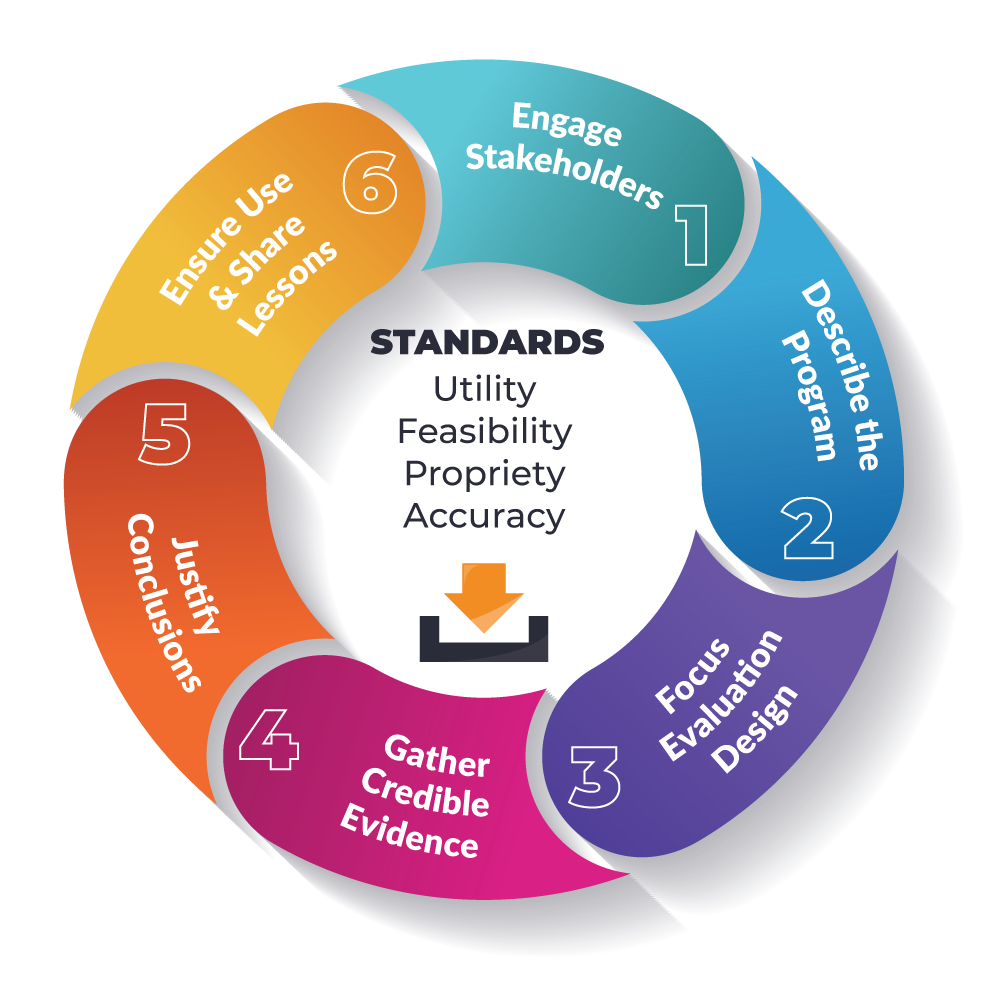
1. Understanding the Strategic Value of Clinical Service Evaluation in Modern Healthcare
1.1 Defining Clinical Service Evaluation within the U.S. Healthcare Ecosystem
Carrying out a thorough clinical service evaluation is fundamental to modern healthcare administration, bridging the gap between everyday clinical workflows and high-level institutional goals. In the complex U.S. healthcare landscape, these assessments provide an objective lens to measure how effectively medical facilities deliver care. By systematically reviewing operational habits and clinical outputs, health systems can ensure they meet rigorous standards of excellence.
1.1.1 Distinguishing clinical service evaluation from clinical research
It is important to separate routine service evaluations from traditional clinical research. While clinical research aims to discover new knowledge and establish generalizable facts through controlled trials, a clinical service evaluation focuses on a specific facility to judge its current performance. Research asks whether a treatment works under ideal conditions, whereas a service evaluation asks whether a clinic is delivering that treatment effectively to its actual patient population.
1.1.2 The relationship between service assessment and quality assurance
Service assessment serves as the heartbeat of ongoing quality assurance. Rather than waiting for a critical safety failure, systematic evaluations proactively monitor daily practices. This continuous oversight helps administrative and medical teams catch minor operational hiccups before they impact clinical outcomes, fostering a culture of safety and accountability.
1.2 The Financial and Clinical Mandate for Value-Based Care
The transition from fee-for-service models to value-based care has completely changed how medical groups operate. Today, financial viability is tightly bound to the quality and efficiency of care provided. Consequently, rigorous evaluations are no longer optional administrative exercises; they are financial necessities.
1.2.1 How evaluations satisfy CMS regulatory requirements
Federal guidelines enforced by the Centers for Medicare and Medicaid Services demand strict adherence to quality and safety benchmarks. Regular assessments generate the exact data documentation required to satisfy CMS regulatory mandates, protecting facilities from compliance penalties and safeguarding their operational licenses.
1.2.2 Linking service efficacy to value-based purchasing incentives
Under modern value-based purchasing programs, reimbursement rates directly reflect performance metrics. By utilizing insights from a detailed medical service quality framework, healthcare leaders can identify workflow strengths, secure financial incentives, and optimize their revenue cycle while simultaneously improving patient care.
1.3 Core Objectives and Evidence-Based Improvement Cycles
Every successful assessment campaign begins with clear, evidence-based objectives designed to eliminate guesswork. The primary goal is to align clinical workflows with proven medical guidelines, ensuring that every patient receives uniform, high-standard care regardless of who is on duty.
1.3.1 Identifying systemic care gaps
Uncovering hidden bottlenecks requires looking beyond individual provider performance to examine systemic issues. Evaluations often reveal communication breakdowns between departments, scheduling delays, or resource shortages that quietly undermine clinical effectiveness. Spotting these gaps is the first step toward building a more resilient organization.
1.3.2 Transforming data into actionable clinical policy
Raw data alone does not improve healthcare; it must be translated into practical rules and procedures. When administrators analyze evaluation results, they can rewrite clinical policies to streamline triage, reduce unnecessary diagnostic testing, and standardize treatment protocols across all care teams.
1.4 Implementing the Donabedian Model for Structural and Process Assessment
Avedis Donabedian’s classic triad—structure, process, and outcome—remains the gold standard framework for evaluating healthcare quality. Applying this model gives organizations a structured way to evaluate their readiness and execution.
1.4.1 Evaluating organizational structure and resource allocation
Structure refers to the physical and organizational environment, including staffing ratios, diagnostic equipment availability, and facility design. Assessing these elements ensures that care teams have the tools and support systems required to perform at their highest potential.
1.4.2 Monitoring clinical processes and patient-centered outcomes
Process evaluation examines the actual delivery of care, looking at adherence to clinical guidelines, timeliness of interventions, and patient interactions. Pairing these process metrics with patient-centered outcomes ensures that clinical efficiency translates into genuine health improvements for the people walking through the doors.
1.4.3 Establishing key performance indicators for measurable growth
To sustain progress, leadership must establish clear key performance indicators. Tracking metrics such as wait times, readmission rates, and resource utilization allows organizations to measure growth over time, ensuring that quality improvement remains an ongoing, data-driven priority.
2. Operationalizing Quality Improvement and Sustaining Clinical Service Evaluation Excellence
2.1 A Step-by-Step Framework for Clinical Service Evaluation Implementation
Successful execution requires a structured roadmap that transitions theoretical goals into everyday practice.
Phase 1: Pre-evaluation planning and multi-disciplinary stakeholder alignment
Stakeholder buy-in from physicians, nursing staff, and administrative leaders ensures shared accountability before assessment begins.
Phase 2: Quantitative and qualitative data collection methodology
Combining hard metrics with subjective insights creates a comprehensive picture of medical service quality across departments.
Phase 3: Root cause analysis and identifying service bottlenecks
Digging deeper than surface-level symptoms exposes the core structural and operational hurdles stalling patient flow.
Phase 4: Executing rapid-cycle quality improvement using PDSA cycles
Plan-Do-Study-Act frameworks allow care teams to test small changes quickly and scale successful interventions safely.
2.2 Integrating Patient Experience Data to Drive Service Refinement
Listening to those receiving care bridges the gap between administrative targets and bedside reality.
Analyzing HCAHPS scores and patient feedback loops
Regular reviews of patient satisfaction ratings highlight communication gaps and comfort issues.
Interpreting qualitative feedback for unmet needs
Reading open-ended comments reveals specific patient frustrations that standard multiple-choice surveys routinely miss.
Leveraging EHR informatics to bridge the gap between metrics and experience
Combining electronic health record timestamps with survey trends paints an accurate picture of wait times and throughput efficiency.
2.3 Overcoming Organizational and Cultural Barriers to Implementation
Even the best evaluation models will fail if clinic culture actively resists modification.
Mitigation strategies for staff burnout and resistance to change
Involving frontline workers in the design phase prevents them from viewing new evaluation protocols as pointless administrative burdens.
Methods for securing clinical buy-in and organizational leadership support
Demonstrating how service assessments directly reduce daily friction helps align executive goals with clinical priorities.
2.4 Advanced Strategies for Measuring Long-Term Impact and Scalability
Maintaining momentum requires forward-looking tools and continuous self-examination.
Utilizing predictive analytics and AI to anticipate service trends
Advanced data models help healthcare facilities forecast staffing shortages and patient surges before they compromise care.
Benchmarking clinical outcomes against national and peer standards
Comparing internal performance metrics to national databases highlights true operational excellence.
Ensuring sustainability through continuous post-evaluation monitoring
Ongoing dashboards prevent clinics from slipping back into outdated habits after an initial improvement project concludes.
Conducting a thorough clinical service evaluation is no longer just an administrative checkbox for U.S. healthcare providers; it is a foundational pillar for achieving sustainable medical service quality and long-term organizational growth. By systematically balancing structured internal assessments with the direct evaluation of patient satisfaction ratings, clinics can successfully bridge the gap between regulatory compliance and exceptional patient care. Translating raw feedback into meaningful operational change ensures that clinical delivery continually evolves to meet both modern industry standards and community expectations.
Ultimately, committing to ongoing service assessments allows healthcare teams to proactively eliminate inefficiencies, elevate clinical outcomes, and foster a culture centered around continuous improvement. For patients and providers alike, this dedication to transparent, data-driven refinement translates into safer practices, stronger care pathways, and a more responsive healthcare environment. To explore further strategies on assessing provider standards and optimizing your organization’s care delivery, review our guide on medical service quality.