
Choosing the right healthcare provider is one of the most critical decisions you will ever make for your health and well-being. When facing a complex medical diagnosis or planning a specialized procedure, relying on word-of-mouth recommendations is no longer enough. Navigating modern healthcare requires an objective understanding of medical excellence benchmarks to separate exceptional providers from average ones. Patients today need to look beyond polished marketing campaigns and glossy facility brochures to evaluate what truly matters: clinical performance, patient safety records, and institutional quality. Whether you are reviewing accredited healthcare facilities or assessing local specialists, understanding these objective metrics is essential.
In this guide, you will learn how to decode healthcare quality metrics, interpret risk-adjusted clinical data, and navigate institutional rating systems. By exploring these evidence-based standards, you will gain the clarity needed to make an informed, confident choice for your upcoming care journey.
1. Mastering Medical Excellence Benchmarks for Clinical Selection
Choosing the right healthcare facility requires more than a simple web search or relying on word-of-mouth recommendations. When evaluating options, understanding medical excellence benchmarks allows patients and families to look past marketing claims and examine hard, verifiable data regarding institutional safety, operational efficiency, and long-term wellness success.
1.1 Understanding the Landscape of Healthcare Quality Metrics
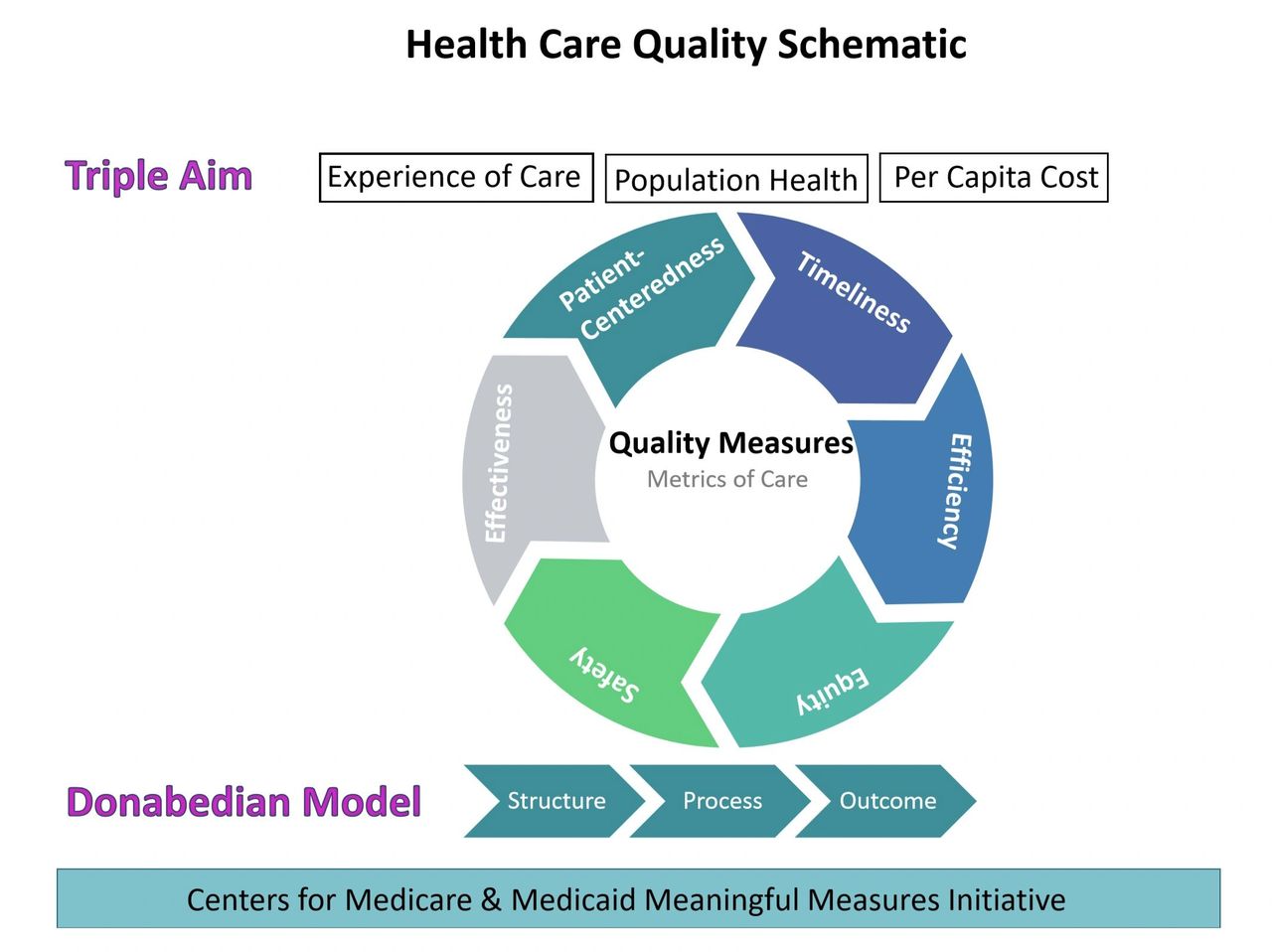
Navigating modern healthcare quality data can feel overwhelming due to the sheer volume of acronyms and performance scores available online. To make an informed choice, it helps to break these indicators down into distinct categories that reflect both immediate hospital safety and long-term recovery metrics.
1.1.1 Defining clinical outcomes versus process-of-care measures
Process-of-care metrics track whether a clinic follows established guidelines, such as administering antibiotics within a specific timeframe prior to surgery. While vital for baseline compliance, they do not guarantee a successful recovery. Conversely, clinical treatment outcomes measure the actual health results of the patient, including infection rates, readmission statistics, and survival rates following complex procedures. Focusing on outcomes provides a much clearer picture of true clinical mastery.
1.1.2 The significance of risk-adjusted data in patient safety
Raw numbers can often be misleading if a clinic treats sicker, older, or higher-risk patients than a neighboring facility. Risk-adjusted data accounts for these variables, leveling the playing field so you can fairly compare how well a center performs regardless of the baseline health status of its patient population.
1.1.3 Navigating institutional rating systems like CMS, Leapfrog, and US News
Major rating platforms evaluate facilities using different methodologies. The Centers for Medicare & Medicaid Services (CMS) star ratings rely heavily on safety and patient experience surveys, whereas Leapfrog focuses heavily on hospital safety grades and error prevention. Meanwhile, U.S. News & World Report often emphasizes expert opinion and specialized reputation. Reviewing multiple systems helps uncover a more balanced perspective.
1.2 Translating Technical Data into Informed Patient Choices
Raw statistics are only valuable if you know how to apply them to your specific healthcare needs. Bridging the gap between institutional reports and your personal care plan ensures you select a facility uniquely equipped to handle your diagnosis.
1.2.1 Differentiating between national rankings and procedure-specific excellence
A hospital that ranks nationally for overall excellence may not be the optimal choice for a niche orthopedic or oncological procedure. Top-tier performance in general care does not automatically translate to procedure-specific mastery. Always look for departmental rankings rather than relying solely on a facility’s overarching reputation.
1.2.2 Interpreting volume-outcome relationships for complex surgeries
Decades of health services research confirm that practice makes perfect. Facilities and surgical teams that perform high volumes of specific, complex operations—such as cardiovascular reconstructions or neurosurgeries—consistently demonstrate lower complication rates and shorter recovery windows than lower-volume providers.
1.2.3 Identifying high-performing local centers for routine specialized care
While major academic medical centers are ideal for rare or complex conditions, routine specialized treatments—such as standard outpatient procedures or localized physical rehabilitation—are often delivered with exceptional efficiency and personalized attention by accredited local community clinics.
1.3 Essential Factors Beyond Statistical Benchmarks
Numbers alone cannot capture the human element of healing. Evaluating a facility also requires looking at the day-to-day operational environment that directly impacts your comfort, safety, and recovery trajectory.
1.3.1 Evaluating staff-to-patient ratios and nursing quality
Nursing care is the backbone of inpatient recovery. Facilities that maintain lower nurse-to-patient ratios typically experience fewer post-surgical complications, lower medication error rates, and higher patient satisfaction scores. Magnet-recognized hospitals, for example, undergo rigorous evaluation specifically to highlight nursing excellence and leadership.
1.3.2 Assessing advanced diagnostic and surgical technology access
Cutting-edge infrastructure matters significantly in modern medicine. Access to advanced diagnostic imaging systems and minimally invasive robotic surgical suites often translates to smaller incisions, reduced blood loss, and faster return to normal daily activities.
1.3.3 The role of patient-reported outcome measures in facility evaluation
Beyond traditional clinical metrics, progressive facilities increasingly track patient-reported outcome measures (PROMs). These surveys capture how patients feel about their pain levels, functional mobility, and overall quality of life months after a procedure, offering a profoundly human-centric benchmark for clinical success.
2. Strategic Framework for Evaluating and Selecting Top-Tier Facilities
2.1 Conducting a Comprehensive Comparative Analysis
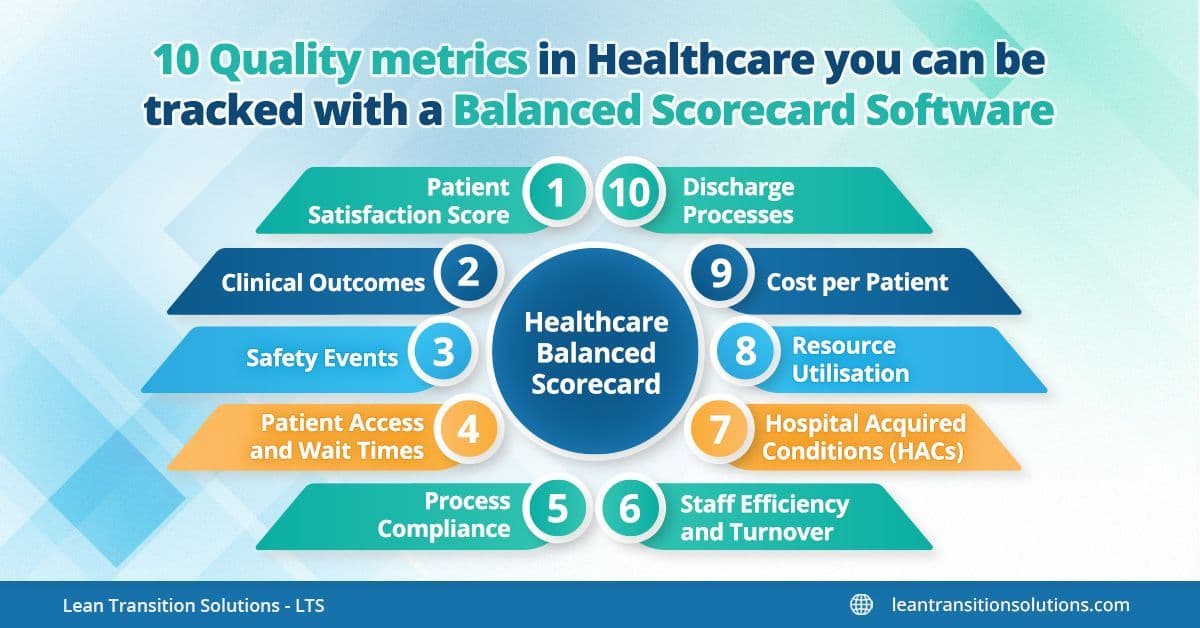
Finding the right provider begins long before your first consultation by establishing a personal requirement profile based on your specific medical diagnosis. Whether you are investigating clinical treatment outcomes or researching accredited healthcare facilities, matching your unique health profile to a clinic’s core competencies ensures specialized care. Digital comparison tools help filter choices by medical specialty, while physician verification confirms active board certifications and peer-reviewed research activity. Additionally, analyzing historical complication rates and post-surgical recovery data provides an objective look at long-term institutional safety.
2.2 Navigating Logistical and Financial Realities of Premium Care
Accessing elite medical services requires balancing clinical quality with practical logistics. Assessing network participation prevents unexpected out-of-pocket expenses, while factoring in geographic proximity ensures smoother long-term recovery and follow-up visits. Reviewing patient support services and post-discharge continuity of care guarantees that your healing journey remains well-supported outside the facility walls. Always coordinate closely with your primary care provider for referral validation to ensure seamless administrative transitions.
2.3 Addressing Common Questions About Hospital Performance Metrics
Understanding how national registries update frequency helps you evaluate the timeliness of hospital performance metrics. It is also helpful to clarify the operational distinctions between major teaching hospitals and localized community clinics, as each serves a different role in healthcare delivery. Patients can access verified public safety records through regulatory databases, providing peace of mind. Knowing when to seek a second opinion—even when evaluating a facility recognized for clinics with advanced medical technology—empowers you to take ultimate control of your health decisions.
Choosing a top-tier healthcare provider is one of the most critical decisions you will ever make for your long-term well-being. By looking beyond simple marketing claims and focusing instead on measurable standards—such as proven clinical treatment outcomes, rigorous facility accreditations, and the integration of cutting-edge technology—you can make an informed, confident choice. Remember that medical excellence benchmarks are designed to cut through the noise, giving you a transparent view of actual patient safety, institutional quality, and physician expertise.
As you move forward in your healthcare journey, empower yourself by asking the right questions, reviewing verified safety data, and coordinating closely with your primary care team. Whether you are managing a complex condition or seeking specialized routine care, prioritizing objective performance metrics ensures that you receive the highest standard of medicine possible. For further guidance on evaluating your options, explore our detailed resource on choosing leading medical centers to support your next steps.