
Navigating the complex U.S. healthcare system often feels like trying to read a map written in a foreign language, especially when trying to decipher the true costs and quality of care. True healthcare facility transparency changes this dynamic, giving patients the essential tools needed to make informed, confident choices about their medical providers. Gone are the days when patients had to accept opaque billing practices and hidden outcomes blindly; today, federal regulations and consumer advocacy empower individuals to look behind the curtain.
In this guide, you will learn how to navigate your legal rights under modern healthcare laws, decode complex pricing structures, and evaluate clinical performance metrics. By understanding these critical components, you can better manage your medical expenses, assess institutional safety, and ultimately choose the best healthcare providers for your unique clinical needs.
1. Navigating Healthcare Facility Transparency: Legal Rights and Financial Literacy
Navigating the complex world of American healthcare often feels like decoding a foreign language, especially when trying to understand what care actually costs and how facilities measure up in safety. True healthcare facility transparency goes beyond a simple brochure; it involves federal protections and consumer rights designed to empower you before you ever step foot in a waiting room. Understanding these foundational rights helps you shift from a passive patient to an informed healthcare consumer.
1.1 Understanding the Federal Regulatory Landscape for Patients
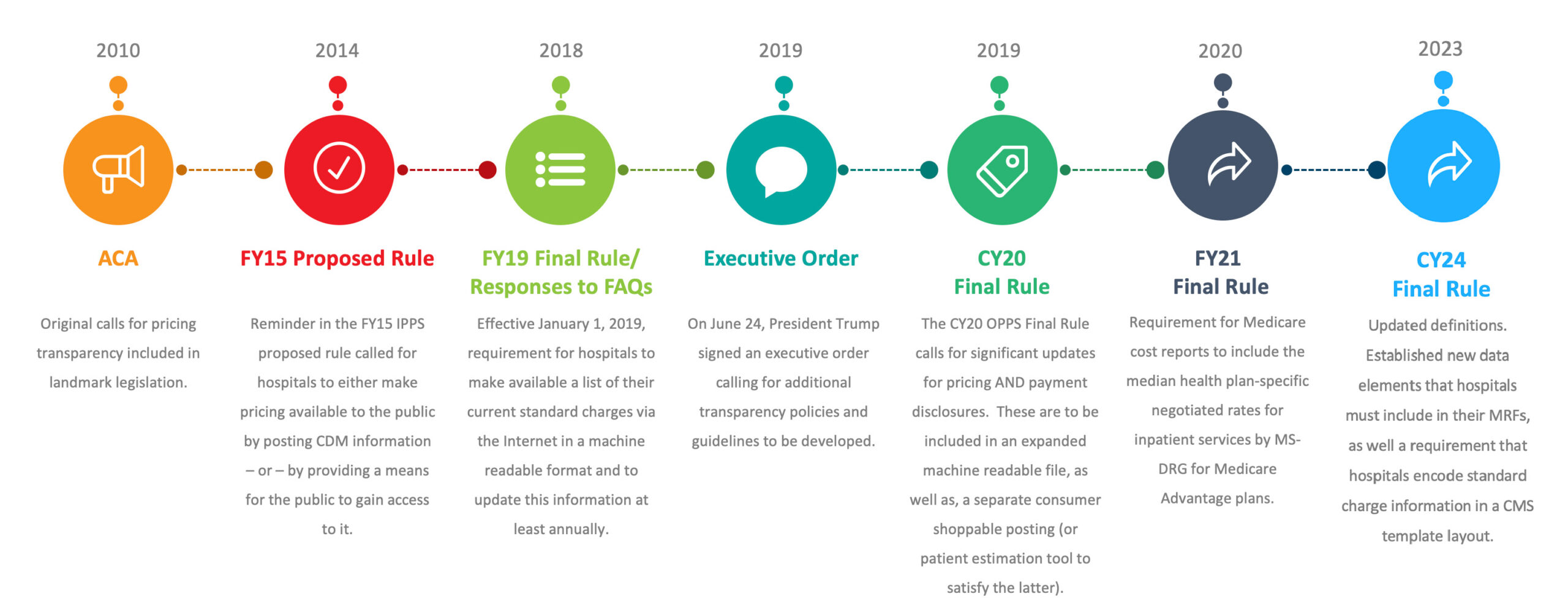
Federal regulations have increasingly shifted toward giving consumers better visibility into hospital and clinic operations. Knowing these rules is your first line of defense against unexpected medical bills.
1.1.1 Decoding the Hospital Price Transparency Rule
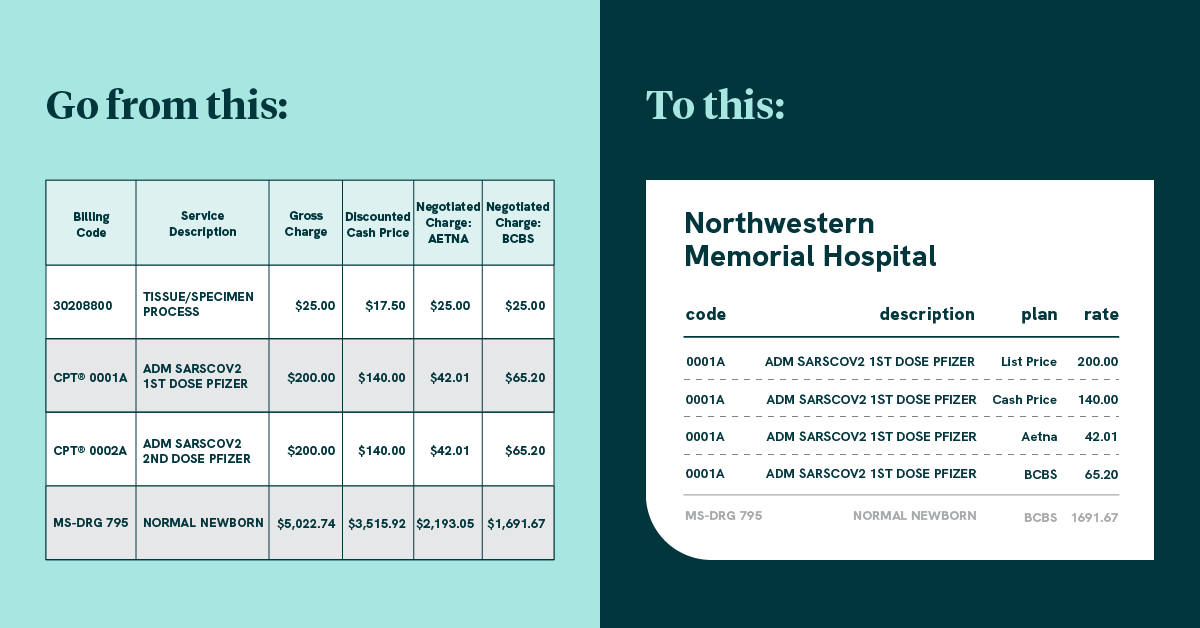
The Hospital Price Transparency Rule requires all hospitals operating in the United States to make their standard charges publicly accessible online. This includes five distinct types of pricing information: gross charges, discounted cash prices, payer-specific negotiated charges, and standard ooferings for hundreds of common “shoppable” services. While navigating these raw digital lists can be intimidating, they are designed to give you a benchmark for what facilities charge insurance companies versus self-paying patients.
1.1.2 The No Surprises Act and protections against balance billing
Few things are more stressful than receiving a surprise bill after a medical procedure. The No Surprises Act protects patients from unexpected balance billing when receiving emergency care, treatment at out-of-network facilities during in-network procedures, or services from out-of-network providers at in-network hospitals. Under this law, providers cannot charge you more than your in-network cost-sharing amount, bringing much-needed predictability to emergency and specialized care scenarios.
1.2 Defining the Pillars of Healthcare Transparency
Evaluating a medical facility requires looking at more than just its physical amenities. A transparent health system opens its doors across three primary pillars.
1.2.1 Pricing and standardized charges
Pricing transparency means having access to clear, upfront estimates before scheduling non-emergency procedures. When facilities publish standardized charges alongside clear data on clinic billing dispute resolution processes, patients can better anticipate out-of-pocket expenses and avoid financial surprises.
1.2.2 Clinical quality metrics and patient safety outcomes
A transparent facility proudly displays its clinical track record. This includes infection rates, readmission statistics, and overall patient safety grades, allowing you to weigh the quality of care against the cost of treatment.
1.2.3 Ownership structures and private equity influence
Corporate consolidation has changed the healthcare landscape significantly. Knowing whether a facility is independent, hospital-owned, or backed by private equity helps you understand its operational priorities, referral patterns, and administrative policies.
1.3 Essential Tools for Finding Facility Data
Accessing facility data requires knowing where to look and how to interpret the documents provided by healthcare organizations.
1.3.1 How to locate machine-readable files and price estimator tools
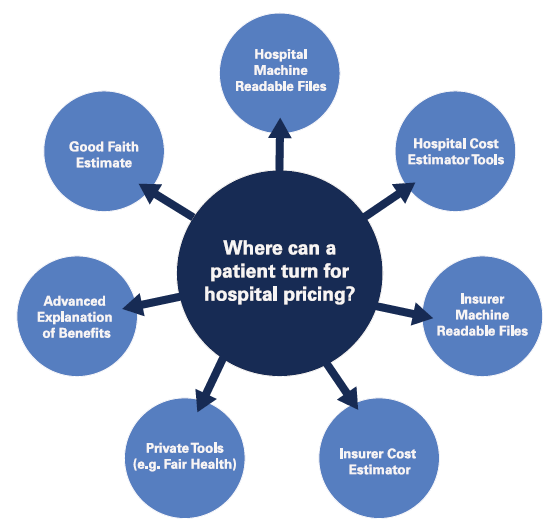
Hospitals are mandated to post comprehensive, machine-readable files on their websites, alongside consumer-friendly price estimator tools. By inputting your specific insurance plan and the desired procedure into these online estimators, you can generate a personalized estimate rather than relying on generalized averages.
1.3.2 Interpreting Good Faith Estimates for uninsured and self-pay patients
If you are uninsured or choose not to use insurance, healthcare providers are legally required to provide a Good Faith Estimate (GFE) detailing the expected costs of scheduled items and services. Reviewing this document carefully allows you to challenge charges that exceed the estimate by $400 or more, ensuring financial accountability before treatment begins.
2. Evaluating Healthcare Facility Transparency for Informed Decision-Making

2.1 Assessing Clinical Quality and Safety Performance
Navigating the healthcare landscape requires moving past glossy marketing brochures and digging into objective clinical performance data. When evaluating a hospital or clinic, you want to look at standardized metrics that reflect real patient outcomes. To make sense of the vast amounts of data available, patients can leverage established quality reporting frameworks that cut through the noise and highlight actual safety records.
2.1.1 Utilizing CMS Star Ratings for facility comparisons
The Centers for Medicare & Medicaid Services assigns a one-to-five-star rating to hospitals nationwide based on their performance across multiple areas of quality, such as safety of care, readmission rates, and patient experience. These ratings give you a quick baseline comparison between competing local facilities. For a deeper dive into how patients perceive their overall stay, reviewing documented patient satisfaction ratings can reveal how well a facility communicates and manages comfort.
2.1.2 Evaluating Leapfrog safety grades and hospital-acquired infection data
Beyond CMS data, independent organizations like The Leapfrog Group issue letter grades assessing how well hospitals protect patients from errors, injuries, accidents, and infections. Reviewing hospital-acquired infection rates, such as surgical site infections or central line-associated bloodstream infections, is vital for high-risk procedures. High transparency means these safety metrics are easily accessible to the public rather than hidden behind administrative walls.
2.1.3 Understanding physician specialty volumes and complication rates
Volume often correlates with better outcomes in complex medicine. Research consistently shows that surgeons and facilities performing higher procedural volumes for specialized operations—such as cardiovascular surgeries or joint replacements—tend to have lower complication rates and shorter recovery times. Always ask your prospective center about their specific annual volume for your exact procedure.
2.2 Strategies for Managing Costs and Auditing Medical Bills
Financial transparency is just as critical as clinical transparency. Modern healthcare consumerism demands that patients understand pricing structures before receiving care to avoid unpleasant financial surprises after discharge.
2.2.1 Identifying the difference between facility fees and professional service fees
One of the most common sources of billing confusion is the separation of charges. A hospital bill typically splits costs into facility fees—which cover room overhead, equipment, and nursing staff—and professional service fees, which pay the doctors and specialists directly. Recognizing this distinction helps you anticipate multiple bills for a single clinic visit.
2.2.2 Conducting a pre-service cost audit before scheduled procedures
Before undergoing any non-emergency medical service, request an itemized estimate based on your insurance plan’s negotiated rates or the facility’s self-pay schedule. Comparing these estimates against published price transparency tools allows you to benchmark costs and plan your out-of-pocket expenses accordingly.
2.2.3 Steps for disputing discrepancies between initial estimates and final invoices
If your final invoice significantly exceeds your initial pre-service estimate, do not pay immediately. Request a complete, itemized bill and cross-reference every line item with your medical records and insurance explanation of benefits. Utilizing formal clinic billing dispute resolution pathways can help you correct coding errors and eliminate unauthorized charges.
2.2.4 How to initiate cost-of-care conversations with providers and billing departments
Open dialogue is your best defense against unexpected medical debt. Schedule a conversation with a financial counselor at the facility before treatment begins. Ask direct questions about potential out-of-network providers who might participate in your care, and inquire about available financial assistance policies or prompt-pay discounts.
Navigating the complexities of healthcare facility transparency empowers you to take control of both your clinical outcomes and your financial well-being. By understanding how to leverage federal protections, decode pricing tools, and evaluate quality metrics like patient satisfaction ratings, you transform from a passive recipient of care into an active, informed healthcare consumer. Transparency is no longer just a regulatory ideal—it is a practical roadmap designed to protect you from unexpected financial burdens and sub-par medical results.
As you plan your next medical journey, remember that knowledge is your best defense against unexpected medical bills and variable care quality. Whether you are scheduling a routine preventive screening or a specialized procedure, taking the time to research your options ensures you receive safe, high-value care. For further guidance on optimizing your medical choices and managing your care journey, explore our detailed resource on Healthcare Facility Transparency: A Guide to Informed Care to make confident decisions every step of the way.