

Walking into a medical office often sets off a familiar cycle of anxiety, heightened further when patients face lengthy, unpredictable delays in the waiting room. Conducting a comprehensive clinic wait time analysis has quickly transitioned from a back-office administrative task into a crucial strategy for modern healthcare leadership. When medical practices carefully evaluate their operational bottlenecks, they do more than simply shave minutes off a clock; they actively reshape how individuals experience care.
Ultimately, addressing the friction of extended delays directly influences patient satisfaction ratings, which serve as a vital benchmark for modern medical excellence and practice growth. Throughout this guide, you will learn how to accurately track cycle times, identify root causes of operational friction, and implement sustainable solutions that balance provider productivity with an empathetic, patient-first environment.
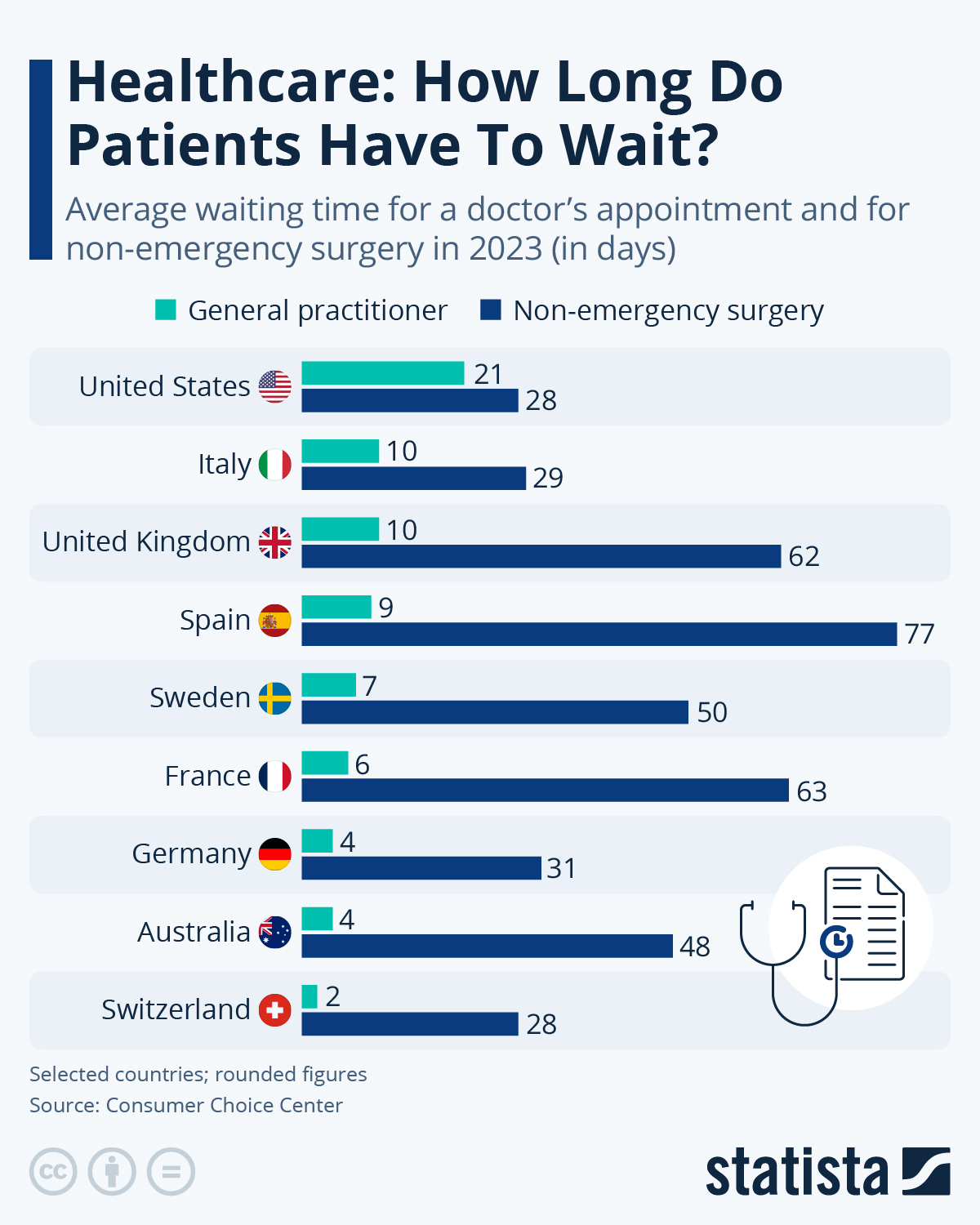
Optimizing Operations: A Comprehensive Clinic Wait Time Analysis
Understanding the Impact of Wait Times on Patient Experience and Revenue
When a patient walks into a medical facility, their evaluation of the care they receive begins long before they ever step into an examination room. A thorough clinic wait time analysis serves as the foundational step for healthcare administrators looking to bridge the gap between clinical excellence and operational efficiency. Long delays in waiting areas often distort a patient’s perception of overall service quality, overshadowing even the most compassionate bedside manner.
The Psychological Distinction Between Actual and Perceived Waiting
Human perception of time is rarely objective, especially in a clinical setting where anxiety is frequently elevated. Unoccupied time feels significantly longer than occupied time. When patients sit in silence without updates, their frustration mounts. By implementing strategies focused on clinic accessibility and facility amenities, practices can actively manage this psychological gap, transforming a passive wait into a more comfortable, predictable experience.
Correlation Between Wait Times and HCAHPS Satisfaction Scores
Patient sentiment directly influences public-facing metrics. Data consistently demonstrates a strong inverse relationship between extended wait times and patient satisfaction ratings. When turnaround times stretch beyond expected thresholds, scores on Hospital Consumer Assessment of Healthcare Providers and Systems (HCAHPS) surveys decline, signaling to prospective patients and insurance networks that operational workflows require immediate intervention.
Financial Implications of Patient Attrition and Practice Reputation
Beyond survey scores, excessive wait times carry a tangible financial penalty. Modern healthcare consumers view their time as valuable. Frustrated patients are increasingly likely to leave before seeing a provider, cancel future appointments, or share negative reviews online. Protecting a practice’s bottom line requires treating workflow optimization not merely as an administrative preference, but as a critical revenue-protection strategy.
Conducting a Data-Driven Clinic Wait Time Analysis
Moving past guesswork requires a structured framework for clinical service evaluation. Administrators must look at hard metrics to understand exactly where bottlenecks occur within the daily schedule.
Establishing Essential KPIs: Door-to-Provider and Total Cycle Time
Accurate measurement begins with tracking standardized Key Performance Indicators. Door-to-provider time measures the duration from when a patient arrives at the front desk until they are greeted by a physician or nurse practitioner. Total cycle time encompasses the entire visit, capturing vitals, waiting periods, the clinical encounter, and checkout procedures.
Methodologies for Accurate Measurement and Tracking
Relying on staff estimations often leads to flawed conclusions. Modern clinics utilize electronic health record (EHR) timestamps, automated queue management systems, and RFID tracking badges to gather precise, real-time data regarding patient movement throughout the facility.
Segmenting Data to Identify Performance Trends and Bottlenecks
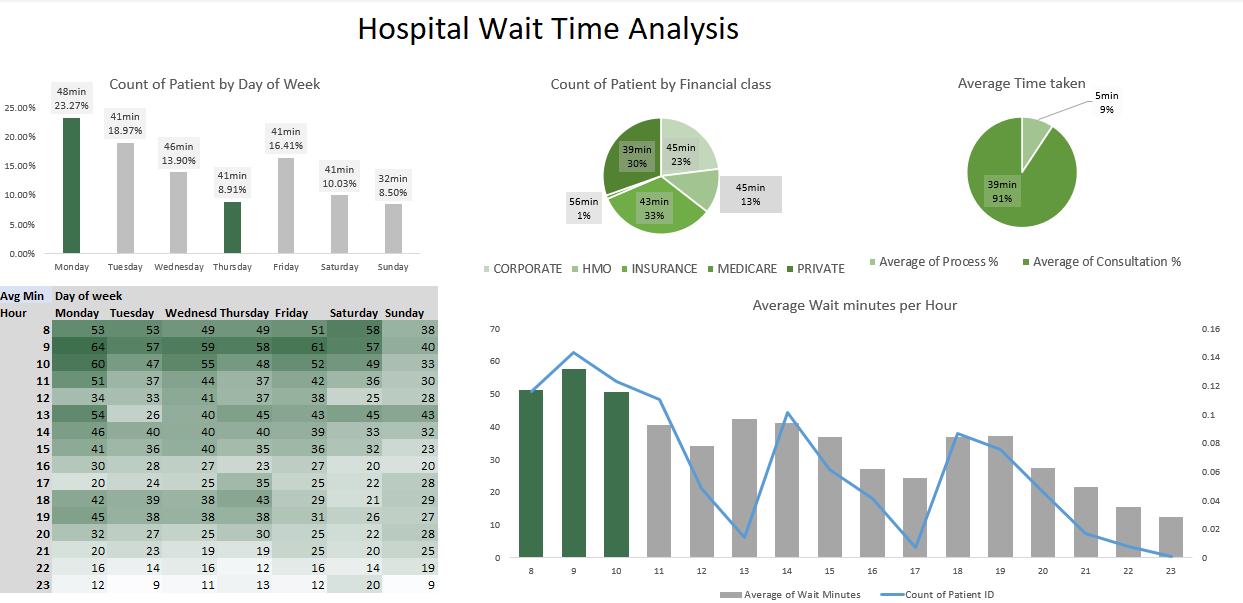
Aggregated averages can mask severe operational flaws. Clinic managers should segment data by provider, time of day, day of the week, and patient visit type. This granularity often reveals specific patterns, such as morning check-in surges or overbooked afternoon appointment slots.
Performing Root Cause Analysis on Workflow Inefficiencies
Once bottlenecks are isolated, teams must uncover the underlying causes. Whether an inefficiency stems from understaffed triage desks, delayed lab results, or cumbersome check-in paperwork, identifying the root cause allows leadership to deploy targeted corrective measures rather than blanket fixes.
Addressing Content Gaps: Legal and Compliance Considerations in Queue Management
As clinics adopt modern digital tools to streamline patient throughput, operational changes must align with strict legal and regulatory standards.
Managing Patient Data Privacy During Digital Check-in Processes
The transition toward mobile check-ins and digital kiosks introduces unique privacy challenges. Healthcare facilities must ensure that all patient-facing applications comply with Health Insurance Portability and Accountability Act (HIPAA) guidelines, safeguarding sensitive personal and medical data from unauthorized access or accidental exposure in crowded waiting areas.
Regulatory Requirements for Patient Throughput and Reporting
Maintaining healthcare facility transparency involves adhering to state and federal reporting standards regarding patient care timelines, particularly in urgent care environments. Ensuring that queue management practices respect regulatory mandates protects the clinic from compliance penalties while fostering trust among patients and regulatory bodies alike.
2. Implementing Strategic Solutions to Enhance Patient Flow
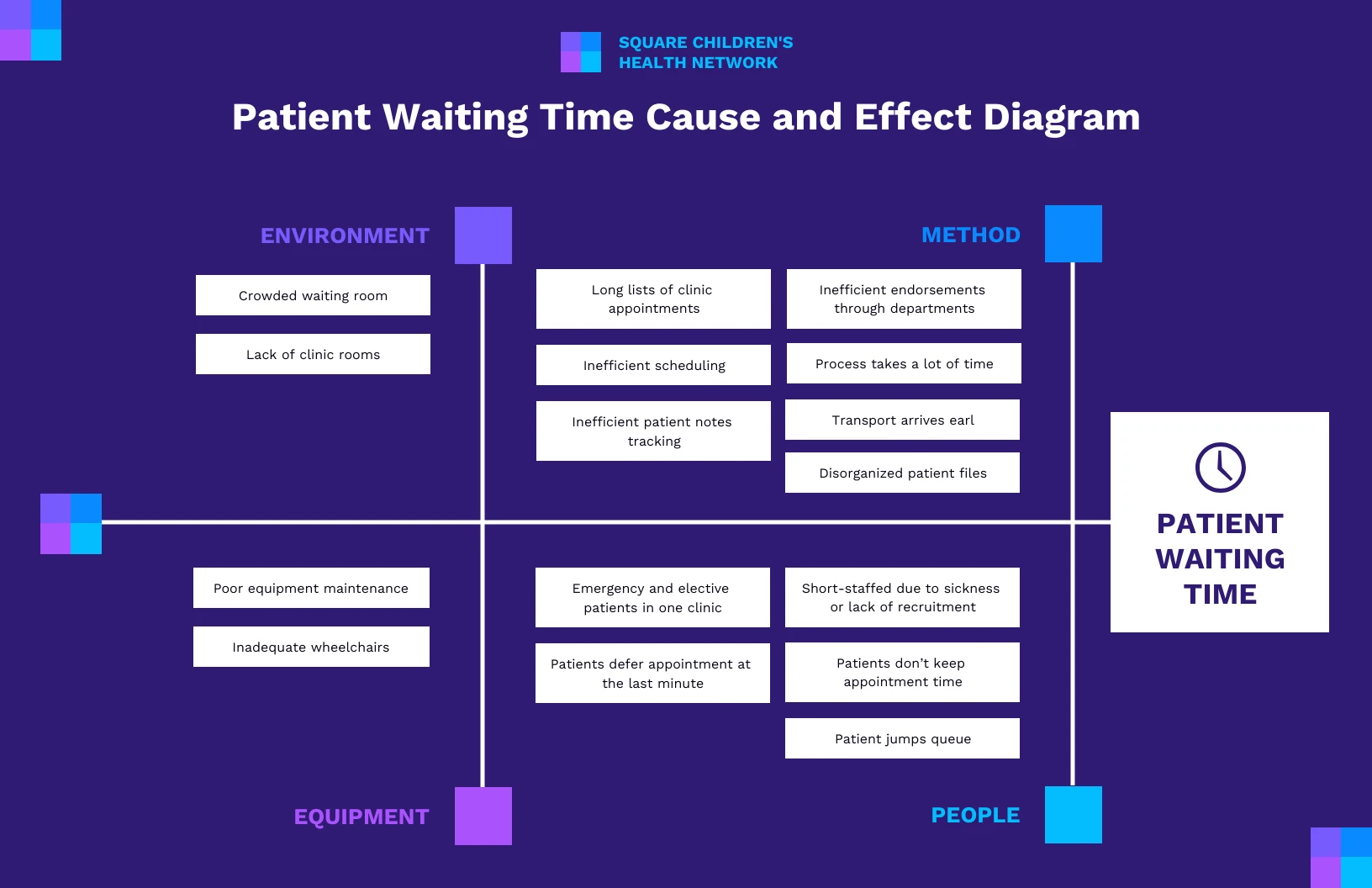
Moving from a diagnostic clinic wait time analysis to active operational transformation requires a blend of technology, structural scheduling changes, and human-centered design. Healthcare facilities looking to improve patient satisfaction ratings must systematically address the friction points discovered during their operational evaluations.
2.1 Leveraging Technology to Reduce Friction in the Patient Journey
2.1.1 Automating Pre-visit Registration and Digital Check-in
Administrative paperwork remains one of the primary drivers of lobby congestion. By shifting consent forms, insurance verification, and medical history updates to mobile devices prior to the appointment, clinics can drastically reduce front-desk bottlenecks. When patients arrive with pre-cleared profiles, they bypass the clipboard phase entirely.
2.1.2 Real-time Queue Monitoring and Virtual Waiting Room Solutions
Physical waiting rooms can quickly become stress-inducing environments when crowds accumulate. Implementing digital queue tracking allows patients to wait in their vehicles, nearby cafes, or outdoors. Coupled with a reliable healthcare facility transparency model, patients receive exact updates on queue status, transforming an ambiguous wait into a manageable timeline.
2.1.3 Deploying Communication Tools for Transparent Delay Updates
Unforeseen emergencies or complex procedures will inevitably cause schedule slippage. Automated SMS notifications alerting patients of provider delays before they leave their homes—or while they sit in the lobby—manage expectations and preserve trust.
2.2 Redesigning Clinical Workflows and Scheduling Models
2.2.1 Transitioning to Open-Access and Same-Day Scheduling Models
Traditional booking templates often book patients weeks in advance, leading to high no-show rates and acute care backlogs. Adopting advanced access scheduling preserves open slots daily for same-day acute needs, balancing provider capacity with patient demand.
2.2.2 Optimizing Provider Templates and Buffer Time Allocation
Rigid scheduling fails to account for patient complexity. Integrating strategic buffer times between appointments prevents cascading delays when a routine consultation requires unexpected intervention.
2.2.3 Implementing Cross-training Strategies for Dynamic Staff Load Balancing
Staffing shortages at critical checkpoints can stall patient throughput. Cross-training medical assistants and administrative personnel enables dynamic resource allocation during sudden surges in patient volume.
2.3 Enhancing the Human Element in Healthcare Delivery
2.3.1 Training Front-line Staff in Proactive Communication Techniques
Technology alone cannot resolve frustration. Front desk and nursing personnel require communication training focused on empathetic de-escalation, active listening, and setting clear timeline expectations.
2.3.2 Creating Patient-Centric Waiting Environments to Reduce Anxiety
Physical surroundings profoundly shape how time is experienced. Incorporating thoughtful design elements—such as calming acoustics, proper lighting, comfortable seating, and clear wayfinding signage—actively reduces perceived wait times and lowers patient anxiety.
Ultimately, transforming the waiting experience requires a shift away from viewing queues as an inevitable operational headache and recognizing them as a vital touchpoint in overall patient care. By committing to a thorough clinic wait time analysis, practices can pinpoint hidden bottlenecks, streamline administrative workflows, and ultimately elevate their patient satisfaction ratings. Embracing modern digital tools, refining scheduling models, and fostering a culture of transparent communication ensures that every visit runs smoothly from the moment a patient checks in.
Implementing these changes does not happen overnight, but taking a data-driven approach allows healthcare providers to measure progress continuously and make meaningful adjustments. Prioritizing efficiency ultimately respects the value of your patients’ time, building enduring trust and loyalty within your community. For further insights on elevating practice standards, explore improving patient clinic experiences to continue refining your operational strategy.